
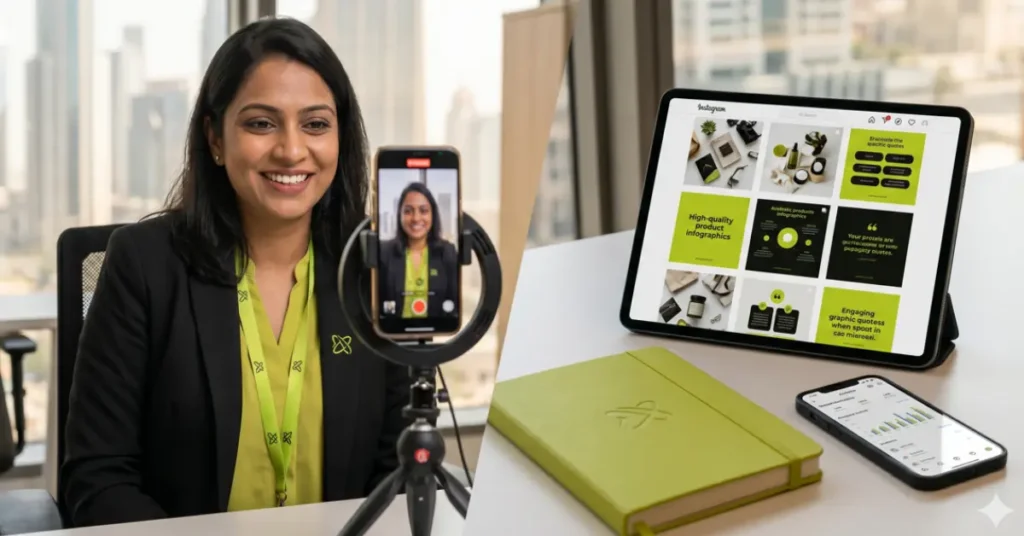
You do not need to show your face on social media for business to succeed, but showing your face does build trust faster than almost any other tactic available to you. At SkillsHeaven, we help businesses build social media strategies that work whether you want to be the face of your brand or stay completely behind the scenes.
This question comes up constantly from business owners, consultants, and ecommerce founders who feel pressured to film themselves but aren’t sure it’s actually necessary. The answer is that showing your face accelerates trust and personal branding, but a faceless marketing approach can still build a strong brand identity and generate real revenue when done with the right systems.
Why This Question Matters So Much Right Now
Social media platforms reward content that feels human. Algorithms on Instagram, TikTok, and LinkedIn give extra reach to videos where a real person is talking, reacting, or demonstrating something. That doesn’t mean faceless content is penalized, but it does mean the businesses asking “do I need to show my face on social media for business” are usually weighing two competing priorities visibility through personal connection versus comfort, privacy, and scalability.
Founders in service based industries like real estate, coaching, clinics, and consulting tend to lean toward showing their face because their clients are essentially buying the person, not just the product. Ecommerce brands, SaaS companies, and agencies often lean faceless because their offer is the hero, not the founder.
The Case for Showing Your Face
Showing your face on social media for business shortens the distance between a stranger scrolling and a paying customer. Here’s why that happens.
It Builds Audience Trust Faster
People buy from people. When your audience sees a real human voice, real expressions, and real reactions, they form a connection that a logo or product photo simply cannot replicate. This is the foundation of personal branding, and it’s why so many founders, coaches, and consultants build their entire growth strategy around being visible. Audience trust grows when your followers feel like they know you, even if they have never met you in person.
It Strengthens Brand Identity
Your brand identity becomes memorable when it has a recognizable human element attached to it. A face, a tone of voice, a consistent way of explaining things, these elements stick in someone’s mind far longer than a tagline does. Over time, this recognition compounds, and your audience starts associating your face with your expertise.
It Speeds Up the Sales Cycle
Video content featuring a real person tends to answer objections before a prospect even reaches out. Seeing someone explain a service, demonstrate a product, or share a quick tip removes friction and uncertainty from the buying decision, especially for higher ticket services.

The Case for Staying Faceless
Faceless marketing is not a compromise, it is a deliberate strategy used by some of the fastest growing brands online. You can absolutely build a profitable, recognizable presence without ever appearing on camera.
Faceless Marketing Scales More Easily
A faceless brand is not limited by one person’s availability, energy, or schedule. Content production can scale across a team, multiple creators, or automated systems without the bottleneck of waiting on a founder to film. This is one of the biggest reasons agencies, ecommerce stores, and content driven businesses choose this route.
It Protects Privacy While Still Building Authority
Faceless marketing lets you build authority through expertise, frameworks, case studies, and value driven content rather than personal exposure. Your brand identity is built around what you deliver, not who delivers it, which works exceptionally well for businesses that want to separate their personal life from their professional presence.
It Makes the Business Easier to Sell or Transfer
A business built around a personal brand is harder to hand off, scale through a team, or eventually sell, because buyers cannot replicate the original face behind it. A faceless brand, structured around systems, content, and consistent value, tends to be more transferable and easier to scale beyond one individual.

So, Do You Actually Need to Show Your Face?
Here is the honest framework we walk our own clients through.
Choose to show your face if:
You sell a service where personal trust drives the purchase decision, such as coaching, real estate, consulting, fitness, or local professional services. Your audience wants reassurance they are dealing with a real, qualified person before they commit.
Choose to stay faceless if:
You are building a product driven brand, an ecommerce store, a SaaS tool, or an agency where the offer itself does the convincing. You value privacy, want to scale content production across a team, or simply are not comfortable on camera yet and want results before pushing past that.
A hybrid approach often works best:
Many of the most successful brands blend both. They use faceless formats such as text posts, voiceovers, infographics, and behind the scenes shots for daily content, while occasionally showing up on camera for high stakes moments like launches, testimonials, or major announcements. This way you get the scalability of faceless marketing with the audience trust benefits of personal branding, without committing fully to either extreme.
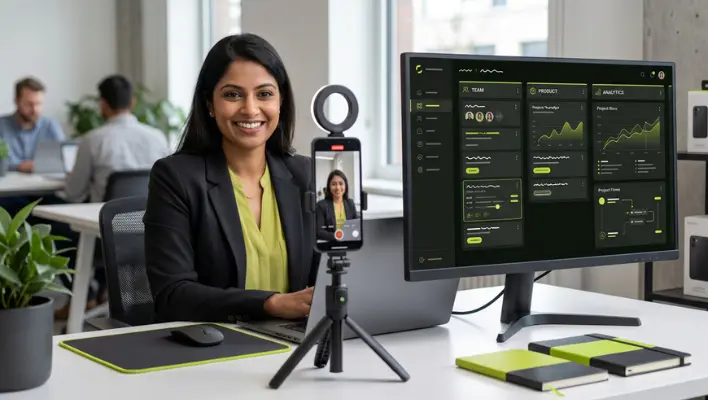
How to Build Trust Without Constantly Showing Your Face
If you decide a faceless or mostly faceless strategy fits your business better, trust still has to come from somewhere. Here is how brands do it successfully.
Lead with consistent value
Publish content that solves a real problem every single time. Audiences trust brands that consistently deliver useful information over brands that simply look polished.
Use voiceovers and text driven storytelling
A clear, confident voice over relevant footage builds connection almost as effectively as a talking head video, without requiring you to be on camera.
Show your product, process, or workspace
Behind the scenes footage of your team, your workflow, or your physical location humanizes your brand identity without ever needing a close up shot of anyone’s face.
Share real client results and testimonials
Nothing builds audience trust faster than proof that your service or product actually works for other people.
Stay consistent with your brand voice
A recognizable tone, writing style, and visual identity across every post creates familiarity, which is one of the core building blocks of trust.
What This Means for Local Businesses
If you run a local business, this decision also affects how customers find and choose you on platforms like Google and Instagram. Local audiences respond strongly to authenticity, whether that comes from a recognizable face or a consistently branded, value driven presence. The right approach depends on your industry, your service area, and how your specific competitors are showing up online.
This is exactly the kind of strategic decision our team works through with clients at SkillsHeaven’s Social Media Marketing service, where we build content systems suited to each business rather than forcing every client into the same format. We also pair this with our Local SEO Services so your visibility on social media supports, rather than competes with, your search rankings.

Frequently Asked Questions
Do I need to show my face on social media for business to grow?
No. Growth is possible through faceless marketing, but showing your face on social media for business generally speeds up the trust building process, particularly for service based brands.
Is faceless marketing as effective as personal branding?
It can be, depending on your goals. Faceless marketing tends to scale better and protects privacy, while personal branding tends to build deeper, faster audience trust. Many brands combine both for the strongest result.
What industries benefit most from showing a face on social media?
Coaching, consulting, real estate, fitness, beauty, healthcare, and local professional services tend to benefit the most, since clients are essentially trusting a person before they trust the brand.
Can a faceless brand still build strong brand identity?
Yes. Brand identity can be built through consistent visuals, tone of voice, value driven content, and recognizable messaging, none of which require showing a face.
How do I know which approach is right for my business?
Start by looking at how your competitors in your specific industry and location are performing on social media, then test a hybrid approach before committing fully to one direction.
Final Thoughts
There is no universal rule that says you must show your face on social media for business, and there is no rule that says you must stay hidden either. The real answer comes from understanding your audience, your industry, and how much of your sales process depends on personal trust versus product value. Whether you choose personal branding, faceless marketing, or a hybrid of both, what matters most is consistency, clarity, and a brand identity your audience can recognize and trust over time.
If you want a strategy built specifically around your business rather than a generic template, our team at SkillsHeaven can map out the right content approach for your brand. You can also explore broader strategy support through our Digital Marketing Services page, or for additional independent research on how video content influences consumer trust, this peer-reviewed study published in Scientific Reports on short-video content and consumer trust is a useful resource.

Wali Shah is the Founder and CEO of SkillsHeaven, a digital growth agency specializing in Local SEO, Google Ads, and conversion-focused website development. With over 8+ years of experience, he has helped scale 170+ businesses, including 93+ limousine companies globally, by building structured, lead-generating digital systems. His expertise spans local search optimization, paid media strategy, and high-performance website development, all aligned with measurable business growth. Known for a data-driven and ethical approach, Wali focuses on creating scalable marketing systems that increase visibility, generate qualified leads, and drive long-term revenue for service-based businesses.