

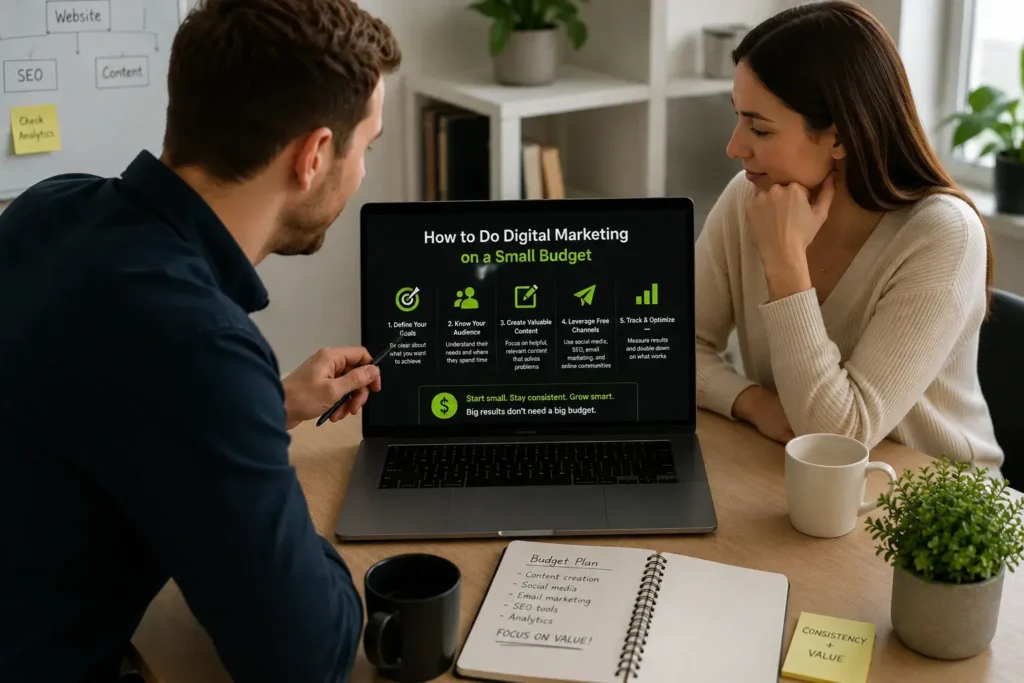
The fastest way to do digital marketing on a small budget is to focus your time and money on free or low cost channels that compound over time, such as search engine optimization, content marketing, email marketing, and organic social media, while studying what already works for others in your space before you spend a single dollar. This approach lets a small business compete with bigger players without matching their ad spend, because consistency and smart positioning matter more than budget size.
If you are a small business owner, freelancer, or solo marketer wondering how to do digital marketing on a small budget without burning through your savings, this guide breaks the process down into clear, actionable steps you can start using today.
Why Digital Marketing on a Small Budget Still Works
Many business owners assume digital marketing requires thousands of dollars in ad spend to see results. In reality, some of the most effective marketing channels, like SEO, email, and content, cost little more than your time and consistency. Big brands often rely on paid media because they have budgets to burn, but a small business can outmaneuver them by being more targeted, more personal, and more consistent in a smaller niche.
Set Clear Goals Before You Spend a Single Dollar
Before choosing any tactic, decide exactly what you want digital marketing to achieve for your business. This could be more website visitors, more leads, more email subscribers, or more sales for a specific product. Clear goals help you choose the right channels and avoid spreading your limited budget across tactics that do not move your business forward. Write down one primary goal and two supporting metrics, such as website traffic and conversion rate, so you can measure progress as you go.
Build a Smart Digital Marketing Budget Plan
A smart budget plan is the foundation of doing digital marketing on a small budget successfully. Start by listing every free or low cost channel available to you: organic search, social media, email, content creation, and partnerships. Allocate a small amount toward one or two paid experiments only after your organic channels are set up, since this gives you real data to guide where paid spend will perform best. A common approach is the 70, 20, 10 split: 70 percent of your effort on proven organic channels, 20 percent on emerging tactics worth testing, and 10 percent on small paid experiments.
Use Search Engine Optimization to Get Free, Long Term Traffic
Search engine optimization, or SEO, is one of the most cost efficient ways to bring consistent traffic to your website over time. Focus on keyword research using free tools like Google Keyword Planner and Google Search Console, then create pages and blog posts that answer the exact questions your potential customers are searching for. On page SEO basics, such as descriptive titles, clear headings, internal linking, and fast loading pages, can be handled without hiring an agency. Local businesses benefit even further by optimizing their Google Business Profile and earning customer reviews, both of which are free.
Create Content That Works Harder Than Paid Ads
Content marketing, including blog posts, videos, infographics, and case studies, builds trust and authority while supporting your SEO efforts at the same time. A single well researched article can keep generating traffic and leads for years, unlike a paid ad that stops the moment your budget runs out. Focus on creating content around the real questions your audience asks, then update and improve that content periodically to keep it ranking well in search results.
Grow an Email List That Sells for You on Autopilot
Email marketing consistently delivers one of the highest returns of any marketing channel, and tools like Mailchimp, MailerLite, and Brevo offer free plans for small lists. Offer a useful lead magnet, such as a checklist, template, or discount code, in exchange for an email address, then nurture that list with helpful content and occasional offers. Because you own your email list, it remains a stable, owned channel that is not affected by changes to social media algorithms.
Use Social Media Strategically, Not Everywhere at Once
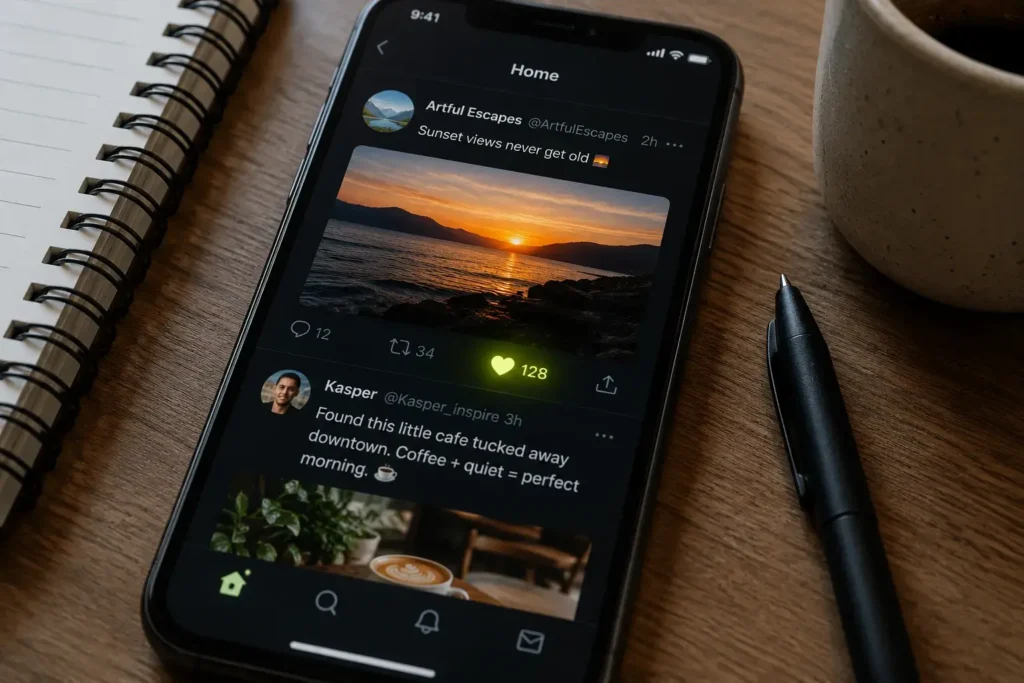
Trying to maintain a strong presence on every platform at once is one of the quickest ways to drain your time and energy without seeing results. Instead, choose one or two platforms where your target audience already spends time and commit to showing up consistently there. Use free scheduling tools like Buffer or Later to plan content in advance, and prioritize engagement, such as replying to comments and messages, since this builds genuine community and improves organic reach.
Do In Depth Competitor Analysis to Get Ideas Fast
One of the smartest ways to learn how to do digital marketing on a small budget is to study what is already working for others in your industry, then bring fresh, original ideas of your own to the table. In depth competitor analysis helps you understand which keywords, content topics, and channels are already driving traffic and engagement for similar businesses, so you can prioritize your limited time on tactics with proven demand.
How to Do Competitor Analysis Without Spending Much
Start by identifying three to five businesses that target the same audience as you. Look at their website structure, blog topics, and the keywords their pages appear to target. Free tools like Google’s “People also ask” boxes, Ubersuggest’s free tier, and AnswerThePublic give you insight into the language your shared audience uses. Review their social media presence to see which content formats get the most engagement. The goal here is to get ideas from competitors and understand audience demand, not to copy their work; everything you create afterward should be written and designed from scratch, in your own voice, to keep your content original and valuable to your audience.
Repurpose Content to Multiply Your Reach Without Multiplying Your Budget
Once you create a strong piece of content, stretch its value by repurposing it across multiple formats. A blog post can become a short video, a set of social media posts, an infographic, and an email newsletter, all from the same research and writing effort. This approach multiplies your reach while keeping your content creation time efficient, which is essential when learning how to do digital marketing on a small budget.
Build Partnerships and Collaborations Instead of Paying for Reach
Partnering with complementary businesses, influencers, or industry peers can expose your brand to a new audience at little to no cost. Guest posting on relevant blogs, co hosting a webinar, or simply cross promoting each other’s content on social media are all ways to gain visibility through shared audiences rather than paid reach. These relationships often lead to long term referral traffic and backlinks, both of which support your SEO goals as well.
Track Performance and Reinvest in What Works
Use free tools like Google Analytics and Google Search Console to track which channels and pieces of content drive the most traffic, leads, and sales. Reviewing this data monthly helps you understand exactly how to do digital marketing on a small budget more effectively over time, since you can shift your energy toward the tactics delivering the best return and scale back on anything that is not performing. Treat your marketing as an ongoing experiment, refining your approach based on real numbers rather than guesswork.

Frequently Asked Questions
What is the cheapest way to do digital marketing?
The most cost effective channels are SEO, content marketing, email marketing, and organic social media, since each relies primarily on time and consistency rather than ad spend.
How much should a small business spend on digital marketing?
Many small businesses start with little to no paid budget, focusing instead on free organic channels, then gradually testing small paid campaigns once they understand which messages and audiences convert best.
Can digital marketing work without paid ads?
Yes, digital marketing can be highly effective without paid ads when a business consistently invests in SEO, valuable content, email marketing, and genuine audience engagement on social media.
How do I do competitor analysis for free?
You can study competitor websites, blog content, keyword targeting, and social media engagement using free tools like Google search, Google’s related questions feature, and free tiers of keyword research tools, then use those insights to create original, more valuable content of your own.
Final Thoughts
Learning how to do digital marketing on a small budget comes down to prioritizing channels that compound over time, studying your competitive landscape through in depth competitor analysis to get ideas from competitors without copying their work, and consistently reinvesting in whatever delivers measurable results. With the right focus and a bit of patience, a small budget can still build a strong, sustainable digital presence.

M. Awais Khan is a Business Development and Digital Growth Strategist at SkillsHeaven, specializing in SEO, local search optimization, and performance-driven digital marketing. With experience supporting 100+ businesses, he develops and implements data-driven strategies that help companies increase online visibility, generate qualified leads, and drive sustainable revenue growth. His expertise spans Local SEO, Google Ads, social media marketing, and conversion-focused website optimization, ensuring every project is aligned with measurable business outcomes and long-term success.