
The best social media platform for your business depends on three things: where your target audience spends time, what your business goal is, and how much content you can realistically create every week. For most local businesses, that means Facebook and Instagram. For B2B companies, it means LinkedIn. For visual products aimed at younger buyers, it means Instagram or TikTok.
If you have been asking yourself which social media platform is best for my business, you are asking the right question. Most owners skip it. They sign up everywhere, post randomly for a month, and quit. This guide gives you a simple three step framework so you can pick the right one or two platforms with confidence and build a real online presence that grows your business.
The Short Answer It Depends on 3 Things
There is no single best platform. There is only the best platform for your specific business. Every smart platform decision comes down to what I call the decision triangle:
- Your audience. Which platforms do your actual customers use daily?
- Your goal. Are you after brand awareness, leads, sales, or customer engagement?
- Your capacity. How much content can you consistently produce without burning out?
A platform only works when all three line up. TikTok might have massive reach, but if your customers are 45 year old facility managers and you hate making videos, it will fail for you. This is why generic “top 10 platforms” lists rarely help. They describe platforms. They do not help you decide.
The rest of this article walks you through each factor, then gives you direct recommendations by business type.
Do I Need to Be on Every Social Media Platform?
No. You do not need to be on every social media platform, and trying to be is one of the most common reasons small business marketing fails.
Here is the math nobody talks about. Every platform demands its own content style, posting rhythm, and community management. A solo owner managing five platforms ends up posting weak, recycled content everywhere. An owner focused on one platform posts strong, native content that actually gets seen.
Consistency on one platform beats a half presence on five. Algorithms reward accounts that post regularly and earn engagement. Sporadic posting trains the algorithm to ignore you. So give yourself permission to ignore most platforms. Your customers will not miss you on channels they barely use, but they will notice a dead account with three posts from last year. That hurts trust more than absence does.
Start with one platform done well, or two at most. You can always expand later once the first one is producing results.
Step 1: Find Out Where Your Audience Actually Is
Audience targeting starts with a simple truth. You go where your customers already are, not where marketing trends tell you to go.
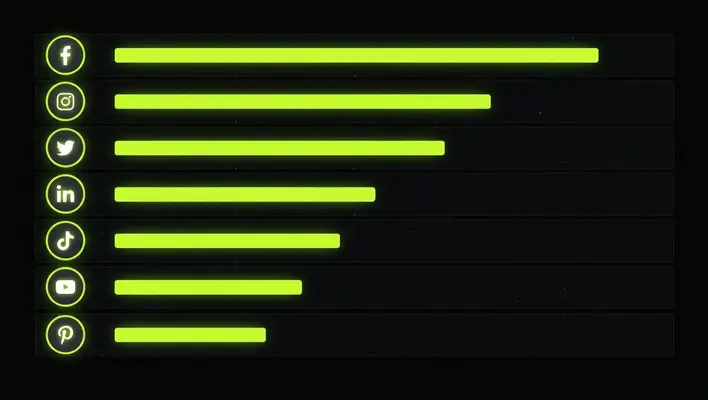
Platform Demographics at a Glance
| Platform | Core Audience | Strongest For |
|---|---|---|
| 30 to 65, broad reach | Local community, events, groups | |
| 18 to 44, visual buyers | Products, lifestyle, food, beauty | |
| TikTok | 16 to 34, trend driven | Discovery, younger B2C brands |
| Professionals, decision makers | B2B leads, services, hiring | |
| YouTube | All ages, search driven | Tutorials, high ticket trust building |
| Planners, mostly women 25 to 54 | Home, weddings, fashion, recipes | |
| All ages, direct messaging | Customer service, order updates |
How to Research Your Specific Customers
Do not guess. Do three quick checks:
- Ask your last ten customers which apps they open every day. Nothing beats direct answers.
- Study your competitors. Find the two or three doing well in your niche and see where their engagement actually happens, not just where they have accounts.
- Check your existing data. If you already have a website, Google Analytics shows which social channels send you traffic today.
If your customers cluster on one platform, your decision is nearly made. Move to step two to confirm it.
Step 2: Match the Platform to Your Business Goal
Different digital marketing channels serve different jobs. Pick based on the outcome you need most right now:
- Need local customers? Facebook plus your Google Business Profile. Local buyers search and scroll close to home.
- Need B2B leads? LinkedIn. It is where decision makers spend work hours, and it consistently produces the strongest visitor to lead conversion among social networks according to HubSpot research.
- Need product sales? Instagram. Shopping features turn your feed into a storefront.
- Need fast brand awareness with younger buyers? TikTok. Its discovery algorithm can surface small accounts to huge audiences.
- Need long term trust for a high ticket service? YouTube. Videos keep working for years and rank in Google search.
- Need repeat orders and customer engagement? WhatsApp for direct updates, or a Facebook Group for community.
Notice the pattern. The goal picks the platform. When someone asks me which social media platform is best for my business, my first question back is always the same: what do you need it to produce in the next six months?
Step 3: Be Honest About Your Content Capacity
This is the factor every other guide skips, and it is the one that kills most social media efforts. Each platform has a real weekly time cost:
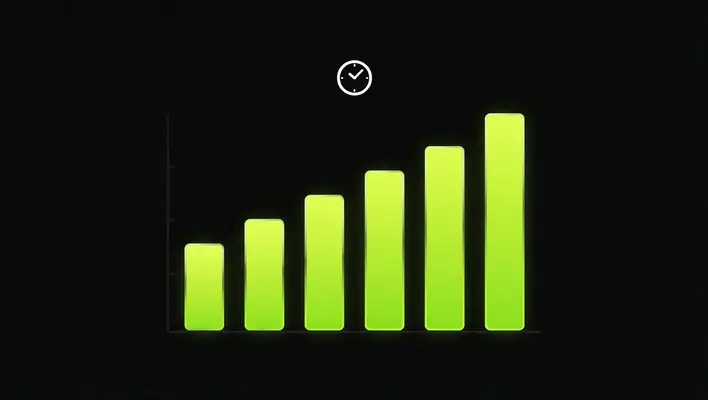
| Platform | Content Needed Weekly | Realistic Time Cost |
|---|---|---|
| 3 to 4 posts | 2 to 3 hours | |
| 3 to 5 posts plus Stories | 3 to 5 hours | |
| 2 to 3 posts | 2 to 3 hours | |
| TikTok | 4 to 7 videos | 5 to 8 hours |
| YouTube | 1 to 2 videos | 4 to 8 hours |
| 5 to 10 pins | 2 to 3 hours |
If you have three spare hours a week, TikTok is a bad choice no matter how good the reach looks. Facebook or LinkedIn fits your reality. A platform you can sustain for twelve months will always outperform a platform you abandon in six weeks.
Also weigh your natural strengths. If you are comfortable on camera, video platforms open up. If you write well, LinkedIn rewards you. Playing to your strengths makes consistency ten times easier.
Best Social Media Platform by Business Type
Here is how the framework plays out for common business models:
Local Service Businesses (Salons, Clinics, Plumbers, Gyms)
Start with Facebook plus an optimized Google Business Profile. Facebook gives you local reach, reviews, and community groups. Your Google profile captures people actively searching for your service nearby, which is why pairing social with local SEO produces faster results than either one alone. Add Instagram second if your work photographs well.
E-commerce and Product Brands
Start with Instagram, add TikTok if your buyers skew under 35. Product photos, Reels, and shopping tags create a full path from discovery to purchase. Pinterest is a strong third for home, fashion, and gift niches because pins keep driving traffic for months.
B2B and Professional Services
Start with LinkedIn, add YouTube when you are ready for deeper content. Post insights from real client work, comment on industry conversations, and build your personal profile alongside the company page. Decision makers buy from people they recognize.
Restaurants and Food Businesses
Instagram first. Food is visual, and Reels of dishes travel far beyond your follower count. Facebook second for events, offers, and the 35 plus local crowd.
Creative and Visual Businesses (Design, Photography, Decor)
Instagram and Pinterest. Instagram builds your brand and client relationships. Pinterest works like a search engine, sending steady website traffic from people planning projects.
Platform by Platform: Strengths and Trade-offs
Facebook remains the widest net for social media marketing, with strong local tools, groups, and the most mature ad targeting. The trade-off is weak organic reach for pages, so plan on some ad budget.
Instagram delivers high engagement and a built in shopping experience. The trade-off is that it demands consistent visual content, and links are limited outside of Stories and bio.
TikTok offers the fastest organic discovery in social media right now. Small accounts can reach big audiences. The trade-off is a heavy video production load and a younger skewing audience.
LinkedIn is unmatched for B2B credibility and lead generation. The trade-off is that it rewards genuine expertise and consistent writing, and it matters less for most consumer brands.
YouTube is the second largest search engine, and according to Think with Google, viewers regularly use it to research purchases. Videos compound in value over time. The trade-off is the highest production effort per piece of content.
Pinterest behaves like a visual search engine, so content has a long shelf life and drives real website clicks. The trade-off is that it only fits visual, plannable niches.
WhatsApp excels at direct customer engagement, order updates, and support, especially in markets like the UAE where it is a daily habit. The trade-off is that it is not a discovery channel. It nurtures customers you already reached elsewhere.
How to Test a Platform in 90 Days
Choosing a platform is not a marriage. It is an experiment. Run it like one:
- Pick one platform using the three step framework above.
- Set one measurable goal. For example, 30 profile visits to your website per month, or 10 inbound inquiries per quarter.
- Commit to a realistic posting schedule you can hold for the full 90 days.
- Post native content, meaning content made for that platform, not recycled from elsewhere.
- Engage daily for 15 minutes. Reply to comments, comment on others, answer messages fast.
- Review the numbers at day 90. Look at followers who match your customer profile, website clicks, messages, and actual leads. Vanity likes do not count.
If the platform produced real business signals, double down. If it produced nothing despite consistent effort, switch platforms without guilt. The framework already gave you a second candidate. And if you would rather have professionals run the testing, content, and ads for you, our social media marketing team manages this entire engine for businesses across the UAE.
Common Mistakes When Choosing Platforms
- Choosing the platform you personally enjoy instead of the one your customers use
- Joining every platform at once and posting weak content everywhere
- Copying a competitor blindly without knowing if their strategy even works
- Chasing trends like jumping on a new app before your core channel produces results
- Quitting after three weeks when algorithms need months of consistency
- Measuring likes instead of leads, which hides whether the platform helps business growth at all
Final Thoughts
So, which social media platform is best for my business? Now you can answer it yourself. Find where your audience lives, match the platform to your goal, and choose something you can sustain. For most local businesses that means Facebook plus Google Business Profile. For B2B it means LinkedIn. For visual brands it means Instagram, with TikTok or Pinterest as the follow up.
One platform done consistently will beat five platforms done poorly every single time. Social media is just one of several digital marketing channels, and it works best as part of a complete system, which is exactly what our guide on digital marketing tips for business owners walks you through step by step. Pick your platform this week, commit to 90 days, and let the results tell you what to do next. If you want an expert to map the whole strategy for you, book a free strategy call and we will build it together.
FAQs
Which social media platform is best for small businesses?
For most small businesses, Facebook and Instagram deliver the best mix of reach, local tools, and easy content creation. Local service businesses should pair Facebook with a Google Business Profile, while product businesses usually see faster results on Instagram.
Do I need to be on every social media platform?
No. One or two platforms managed consistently will outperform five neglected accounts. Choose based on where your customers spend time and how much content you can sustain, then expand only after the first platform produces results.
How many social media platforms should my business use?
Start with one, master it, then add a second. Most small businesses should never actively manage more than two or three. Beyond that, content quality and consistency drop for almost every owner without a dedicated team.
What is the best social media platform for B2B businesses?
LinkedIn. It is where decision makers spend professional time, and it consistently produces the highest quality B2B leads among social networks. Pair it with YouTube once you are ready to invest in video content.
Which social media platform is best for local businesses?
Facebook, combined with an optimized Google Business Profile. Facebook reaches local communities through groups, events, and targeted ads, while your Google profile captures people actively searching for your service nearby.
Is TikTok worth it for small businesses?
Yes, if your customers are under 35 and you can produce four or more short videos weekly. Its discovery algorithm gives small accounts real reach. If your audience is older or your video capacity is low, skip it without guilt.
Should I choose the platform I like or the one my customers use?
Your customers’ platform wins, but your capacity matters too. The ideal choice sits where audience presence and your content strengths overlap. A platform you enjoy is easier to sustain, and sustainability drives results.
How do I know if a social media platform is working for my business?
Track business signals for 90 days: website clicks, messages, inquiries, and leads that match your customer profile. Likes and follower counts alone mean little. If consistent effort produces no business signals in 90 days, test your second platform choice.

M. Awais Khan is a Business Development and Digital Growth Strategist at SkillsHeaven, specializing in SEO, local search optimization, and performance-driven digital marketing. With experience supporting 100+ businesses, he develops and implements data-driven strategies that help companies increase online visibility, generate qualified leads, and drive sustainable revenue growth. His expertise spans Local SEO, Google Ads, social media marketing, and conversion-focused website optimization, ensuring every project is aligned with measurable business outcomes and long-term success.