How to create engaging social media posts, is one of the biggest challenges for businesses. I’ve seen people put a lot of time into creating social media posts, but they still struggle to get engagement. The design looks good, the caption is well written, yet very few people like, comment, or share the post. In many cases, the problem isn’t the platform or the algorithm. It’s how the post is put together.
After creating and reviewing content across different platforms, I’ve noticed that engaging posts follow a similar pattern. They grab attention quickly, focus on one clear message, and give people a reason to interact. Without those elements, even valuable content can get lost in a busy feed.
Every platform is different, but one thing stays the same. People decide within seconds whether a post is worth their attention. That’s why every part of your content matters, from the opening hook to the visual, caption, and call to action.
In this article, I’ll share the same approach I use when planning social media content, along with practical tips that can help you create posts people are more likely to read, share, save, and comment on.
What Makes a Social Media Post Engaging?
One thing I’ve learned about creating engaging social media posts is that engagement isn’t something you can force. People engage because a post gives them a reason to. It might teach them something new, solve a problem, make them laugh, or start a conversation.
When someone likes, comments, shares, or saves your post, they’re telling the platform that your content was worth their time. Those small actions help your content reach more people.
What Does Engagement Actually Mean?
Many people judge a post by the number of likes, but that’s only part of the picture. I’ve seen posts with hundreds of likes bring very little value, while posts with fewer likes generated dozens of comments and shares.
The strongest engagement usually comes from:
- Comments
- Replies
- Shares
- Saves
These actions show that people didn’t just see your content. They found it useful enough to interact with or come back to later.
Why Engagement Matters for Reach and Visibility
From what I’ve seen, engagement is what keeps a post alive. A post might get a few likes at first, but it’s the comments, shares, and saves that help it reach more people over time.
Recent social media reports show the same pattern. Short-form videos continue to dominate how people consume content, and posts that start conversations or get shared often perform better than posts that only collect likes.
If you want more reach, don’t focus on collecting likes. Focus on creating something people genuinely want to respond to.
How Platform Algorithms Prioritize Engagement
Every platform wants to keep people using the app for longer. That’s why they pay attention to how users react to each post.
If people stop scrolling, watch your video, read your caption, leave a comment, or share your content, the platform sees those actions as positive signals. In many cases, your post is shown to a small group first. If that audience responds well, it has a better chance of reaching even more people.
The goal isn’t to trick the algorithm. It’s to create content that real people enjoy interacting with.
Pro Tip
Before publishing any post, ask yourself one question: “Would I stop scrolling to read this?” If the answer is no, improve your hook, visual, or message before you post.

Understand Your Audience Before You Create Anything
I’ve made this mistake myself. Early on, I focused too much on what I wanted to post instead of what people actually wanted to see. Once I started paying attention to my audience’s questions and interests, engagement became much more consistent.
Before creating any post, spend a little time understanding who you’re speaking to and why they would care about your content.
Identify Audience Pain Points and Interests
Every audience has different goals, challenges, and interests. The more you understand them, the easier it becomes to create content that feels relevant.
Ask yourself:
- What problems are they trying to solve?
- What questions do they ask most often?
- What type of posts do they already engage with?
For example, business owners usually want practical advice that helps them grow, while beginners often prefer simple tips they can use straight away.
How to Research Audience Behavior
You don’t need expensive software to understand your audience. Most of the answers are already online.
I usually start by reading comments on popular posts, checking discussions on LinkedIn, browsing Reddit communities, and looking at the questions people ask on TikTok or Instagram. After a while, you start noticing the same topics appearing again and again.
That’s a good sign that people genuinely care about them.
Matching Content with Audience Intent
One lesson I’ve learned is that every post should have a clear purpose. Before writing anything, ask yourself what the audience expects from this post.
For example:
- Educational posts ➜Tips, tutorials, and step-by-step guides.
- Engagement posts ➜ Questions, opinions, and discussions.
- Value posts ➜ Personal experiences, lessons, and practical insights.
When your content matches what people are looking for, engagement usually feels much more natural because you’re giving them a reason to stay and interact.
The Anatomy of an Engaging Social Media Post
After reviewing hundreds of examples of engaging social media posts, I’ve noticed something interesting. The posts that perform well usually follow a similar structure. They don’t rely on luck or trends. Each part of the post has a specific job, from grabbing attention to encouraging people to take action.
Think of it like building a house. If one part is weak, the whole thing becomes less effective. The same happens with social media posts.
Hook (First 3 Seconds Matter)
From my experience, the hook is where most posts succeed or fail. If the first line doesn’t spark curiosity, very few people will continue reading. A strong hook doesn’t need to be clever. It just needs to make someone think, “I want to know more.”
Good hooks often start with:
- A surprising fact
- A relatable problem
- A bold opinion
- A question people want answered
Message (Value, Story, or Insight)
Once you’ve got someone’s attention, don’t waste it. Stick to one idea and explain it well. I’ve found that posts with one clear message almost always perform better than posts trying to cover too many things at once.
Whether it’s a quick tip, a lesson you’ve learned, or a short story, keep your message focused and easy to understand.
Visual Content (Images, Videos, Design)
Your visual should support your message, not compete with it. I’ve seen simple graphics outperform complicated designs because they were easier to understand.
Ask yourself one question before publishing:
“Does this visual make my message clearer?”
If the answer is yes, you’re on the right track.
Caption (Copywriting + Clarity)
A caption should continue the conversation started by your visual and hook. Write the way you naturally speak. Short paragraphs, simple words, and clear formatting make your content much easier to read on mobile devices.
Call to Action (CTA)
One thing I changed in my own posts was being more direct at the end. Instead of hoping people would comment, I started asking simple questions or inviting them to share their experience. That small change encouraged more conversations because people knew exactly how to respond.
Step-by-Step Process to Create Engaging Social Media Posts
Over the years, I’ve realised that creating engaging social media posts rarely happens by accident. Before I publish anything, I follow the same process. It helps me stay focused, avoid random ideas, and create content that gives people a reason to stop, read, and interact. Here’s the workflow that has worked best for me.
Step 1 : Start with a Scroll-Stopping Hook
Your first line decides whether someone keeps reading or keeps scrolling. I usually spend more time writing the hook than any other part of the post because everything else depends on it.
Instead of starting with a generic introduction, give people a reason to be curious.
Instead of:
“Here are five social media tips.”
Try:
“Most social media posts fail before people even read the first sentence.”
Step 2 : Use Storytelling to Build Connection
People remember stories more than advice. I’ve found that sharing a small mistake, lesson, or personal experience makes content feel more genuine and easier to relate to.
Your story doesn’t need to be long. One honest example is often enough to build trust.
Step 3 : Write Simple and Clear Captions
One mistake I see quite often is people trying to sound more professional than they need to. Social media isn’t a classroom or a business report.
Write the way you naturally speak. Short sentences, simple words, and one clear message usually keep people reading until the end.
Step 4 : Choose Visuals That Match Your Message
A good visual should support your message, not distract from it. If you’re explaining a process, a carousel often works well. If you’re sharing a quick tip, a short video may be a better choice.
Always choose the format that makes your message easier to understand.
Step 5 : Give People a Reason to Respond
One thing I’ve learned is that people don’t always know what you expect them to do. If you want comments, ask a question. If you want saves, tell people why they’ll find the post useful later.
A simple call to action often leads to more engagement than ending your post without any direction.
Step 6 : Make Your Post Easy to Read
Even valuable content gets ignored if it looks difficult to read. Break long paragraphs into shorter ones, leave enough spacing, and keep your writing easy to scan.
The easier your content is to read, the more likely people are to stay with it until the end.
Pro Tip
If your opening line doesn’t make someone pause, the rest of your post probably won’t be seen. Always write a few different hooks before choosing the best one.
How to Write Captions for Social Media That Drive Engagement
One thing I’ve learned from writing social media content is that people don’t comment because a post looks good. They comment because the caption gives them something to think about or respond to. I’ve seen simple posts outperform polished designs just because the caption started a conversation.
Caption Structure (Hook → Value → CTA)
Whenever I’m writing a caption, I keep one simple structure in mind. It helps me stay focused and makes the post easier for people to follow.
Start with a hook that makes someone curious enough to keep reading. Then share one useful idea, lesson, or tip instead of trying to explain everything at once. Finally, end with a call to action that encourages people to join the conversation.
Example
Hook:
“Your posts look great… so why is nobody engaging with them?”
Value:
Explain the biggest reason and give one practical solution.
CTA:
“What’s one thing you’ve changed that improved your engagement? Let me know in the comments.”
I’ve found that keeping the caption focused on one clear message almost always works better than trying to fit too much into a single post.
Writing for Clarity Instead of Creativity
One mistake I see all the time is people trying too hard to sound different. They use complicated words or long sentences that make the message harder to follow.
I’ve learned that simple writing usually gets better results. If someone understands your point the first time they read it, they’re much more likely to stay, finish the post, and interact with it.
Using Questions to Increase Interaction
If you want more comments, make it easy for people to reply. I’ve tested different calls to action, and specific questions almost always start better conversations than general ones.
Instead of asking:
“Do you agree?”
Try asking:
“What’s one thing that helped improve your engagement?”
People are far more likely to answer when the question encourages them to share their own experience.
Common Caption Mistakes
Most caption problems come from trying to do too much. I’ve made the same mistakes myself, especially when I was trying to fit every idea into one post.
The most common issues are:
- Long paragraphs with no spacing.
- Covering too many ideas in one caption.
- Starting with a weak opening line.
- Forgetting to include a clear call to action.
- Copying someone else's style instead of writing in your own voice.
The best captions don’t sound perfect. They sound natural. Write the way you would explain something to a real person, and your content will usually feel much easier to read and respond to.
The Role of Visual Content in Social Media Engagement
I’ve seen great posts fail simply because the visual didn’t grab attention. The caption was useful, the advice was solid, but people never stopped long enough to read it. On social media, your visual gets the first chance to make an impression. If it doesn’t catch someone’s eye, the rest of your content usually goes unnoticed.
Types of Visuals That Work
Not every type of content works for the same goal. Over time, I’ve found that choosing the right format matters just as much as choosing the right topic.
Short videos are great for reaching new audiences because they quickly grab attention.
Carousel posts work well for step-by-step tips and educational content. They encourage people to keep swiping, which often leads to more saves and shares.
Infographics make complex ideas easier to understand and are useful when you want people to save your content for later.
Simple images can still perform well if they support one clear message without too much text or clutter.
Recent studies also suggest that carousel posts often receive more engagement than single-image posts because they keep people interacting with the content for longer. Instead of following every new trend, choose the format that helps you explain your message in the clearest way.
How Visuals Impact Attention and Retention
One thing I’ve learned is that people don’t decide whether they like your content after reading it. They decide within seconds of seeing it.
A strong visual creates that first pause. Once someone stops scrolling, your caption has a chance to do its job. If the visual and message work together, people are more likely to keep reading, watch the full video, or swipe through every slide. Those actions tell the platform that your content is worth showing to more people.
Best Practices for Visual Consistency
When people can recognise your content before they even see your name, you’re building a stronger brand. Small improvements like these can make a big difference over time.
- Similar colours
- Consistent layouts
- Clear text placement
- Easy-to-read fonts
Posting different styles every day makes it harder for people to remember your content. The accounts that stand out usually have a consistent look, even when the topics change.
You don’t need complicated designs. Keep your branding simple by using:
Storytelling in Social Media Content (Why It Works)
I’ve shared posts that were full of useful tips but got very little engagement. Then I’d share a simple story about a mistake I made or a lesson I learned, and people started commenting and sharing their own experiences. That’s when I realised people often connect with stories before they connect with advice.
Storytelling doesn’t mean writing long personal posts. Sometimes one honest experience is enough to make your content feel more real and relatable.
Posting different styles every day makes it harder for people to remember your content. The accounts that stand out usually have a consistent look, even when the topics change.
You don’t need complicated designs. Keep your branding simple by using:
Emotional Connection and Relatability
Think about the posts you’ve saved or shared recently. Chances are they weren’t just giving advice. They were telling a story.
It could be:
- A mistake someone learned from.
- A small success after trying something new.
- A lesson that came from real experience.
That’s the kind of content people remember because they can see themselves in it.
I’ve also noticed that people are more likely to comment when a story feels genuine instead of perfect. They don’t expect you to have all the answers. They just want to know what worked, what didn’t, and what you learned along the way.
A useful insight
I’ve noticed that stories often receive more comments and shares than posts that only give advice. Industry research supports this, showing that content people save, share, or spend more time with is more likely to reach a wider audience.
Simple Storytelling Frameworks (Problem → Solution → Result)
One thing I’ve learned is that a good story doesn’t have to be long. In fact, some of my best-performing posts were only a few short paragraphs because they focused on one clear experience.
A simple framework I often use is:
Problem:
“I was posting almost every day, but hardly anyone was engaging with my content.”
Solution:
“Instead of posting more, I changed the way I wrote my hooks and captions.”
Result:
“Within a few weeks, I started seeing more comments, saves, and meaningful conversations.”
That’s all you need. One problem, one solution, and one lesson. People relate to honest experiences much more than perfect success stories.
Examples of Story-Based Posts
You don’t need an extraordinary story to connect with people. Most of the time, everyday experiences work best because they’re easier to relate to.
Some examples include:
- "I made this mistake for months before I realised what was wrong."
- "This small change completely changed how people responded to my posts."
- "I stopped doing this one thing, and my engagement improved."
- "Here's what I wish I'd known when I first started creating content."
I’ve found that these types of posts often encourage people to share their own experiences in the comments. That’s what makes storytelling so powerful. You’re not just giving advice. You’re starting a conversation that people want to be part of.
What I've Learned from Real Social Media Posts
After creating and reviewing social media content across different platforms, one pattern keeps showing up. The posts that perform best aren’t always the ones with the best design or the longest captions. They’re the ones who make people feel something or encourage them to join the conversation.
I’ve also noticed that small changes often make a bigger difference than complete rewrites. A stronger opening line, a clearer message, or a better question at the end can completely change how people respond. Over time, I realised that engagement doesn’t come from trying to impress people. It comes from giving them a reason to stop, think, and interact.
Proven Audience Engagement Techniques
Creating a good post is only part of the process. What happens after you publish also matters. Over the years, I’ve found that the accounts with the strongest engagement don’t just post content. They actively encourage conversations and keep them going.
Ask Questions That Start Conversations
I’ve tested a lot of different calls to action, and one thing stands out. Questions that ask people to share their own experience usually get more replies than simple yes-or-no questions.
For example, instead of asking:
“Do you agree?”
Try asking:
“What’s one thing that’s worked for you?”
People are much more likely to join the discussion when they feel their opinion matters.
Use Interactive Content
Not everyone wants to leave a comment. Sometimes the easiest way to encourage engagement is by giving people a quick way to participate.
I’ve had good results using:
- Polls
- Quizzes
- This-or-that choices
- Simple voting posts
These formats take very little effort to answer, which makes people more likely to interact with them.
Keep the Conversation Going
One mistake I made early on was replying with short answers like “Thanks!” and moving on.
Now I treat every comment as the start of another conversation. If someone leaves a thoughtful reply, I ask a follow-up question or continue the discussion.
I’ve found that active conversations often keep a post visible for longer because people continue coming back to join in. That’s good for both your audience and your overall reach.
Content Types That Get the Most Engagement
Over time, I’ve realised that the format of your content can be just as important as the topic itself. The same idea can perform very differently depending on how you present it. Some formats naturally encourage people to watch, save, or share, while others are easier to scroll past.
Videos and Short-Form Content
Short videos continue to perform well because they’re quick to consume and easy to understand. I’ve found that you don’t need expensive equipment or professional editing. Some of the best-performing videos are simple recordings where someone shares a useful tip, explains a process, or talks directly to the camera.
The goal isn’t to make a perfect video. It’s to keep people watching long enough to deliver your message.
Educational Posts (Tips and How-To Guides)
I’ve noticed that helpful content gets saved more often because people want to come back to it later.
- "3 ways to improve engagement"
- "How to write better captions"
- Step-by-step tutorials
- Quick social media tips
Educational content has always been one of the easiest ways to build trust. People enjoy content that teaches them something they can use straight away.
Posts like these often perform well:
User-Generated Content
When other people talk about your brand, it carries more weight than talking about yourself. Reviews, testimonials, customer photos, and real experiences help build trust because they come from people who have already used your product or service.
If your audience is creating content about you, don’t be afraid to share it. It shows authenticity that branded content can’t always achieve.
Behind-the-Scenes Content
Some of the most engaging posts aren’t polished at all. People enjoy seeing what happens behind the scenes because it makes your brand feel more human.
You could show:
When other people talk about your brand, it carries more weight than talking about yourself. Reviews, testimonials, customer photos, and real experiences help build trust because they come from people who have already used your product or service.
If your audience is creating content about you, don’t be afraid to share it. It shows authenticity that branded content can’t always achieve.
- How you create your content
- Part of your daily workflow
- Small wins and lessons learned
- The process behind a finished project
These moments help people connect with the person behind the account, not just the content itself.
Trends and Real-Time Content
Following trends can increase visibility, but only when they make sense for your audience. I’ve seen many creators jump on every trending sound or challenge without thinking about whether it fits their content.
Use trends as an opportunity, not a strategy. If a trend supports your message, use it. If it doesn’t, it’s better to skip it and stay consistent with your own style.
How AI Is Changing Social Media Content Creation
AI has made creating content much faster, but I’ve noticed that speed doesn’t always lead to better engagement. Many creators now use AI to generate ideas, write captions, or plan content, but the posts that perform best still have a personal touch.
Use AI to Save Time, Not Replace Your Voice
AI is great for brainstorming ideas, improving captions, or creating content outlines. But if every post sounds the same, people quickly lose interest. I use AI to speed up my workflow, then rewrite the content so it sounds natural and reflects my own experience.
Personal Experience Still Builds Trust
People connect with real stories, honest opinions, and lessons learned. AI can help organise your ideas, but it can’t replace your experiences. That’s why adding your own examples and insights makes your content more believable and easier to relate to.
Focus on Value Instead of Volume
It’s easier than ever to publish content every day, but more posts don’t always mean better results. I’ve found that one useful post with a clear message usually performs better than several rushed posts created just to stay active.
Pro Tip
Let AI help you work faster, but don’t let it replace your personality. Your experience, opinions, and stories are what make people follow your content.
Case Study: What I Changed in My Own Posts
A while ago, I noticed that I was posting consistently, but the engagement wasn’t improving. The designs looked fine, and I was sharing useful tips, yet most posts received only a few likes and very little discussion.
Instead of posting more often, I looked at how my posts were structured. I rewrote my opening hooks to make them more direct, shortened my captions, and ended each post with a question that encouraged people to share their thoughts.
I didn’t see a huge change overnight, but within a few weeks, more people started commenting, saving my posts, and joining the conversation. The biggest improvement wasn’t the number of likes. It was the quality of the engagement.
That experience taught me an important lesson. Consistency matters, but it’s not enough on its own. Small improvements to your hook, message, and call to action can have a much bigger impact than simply publishing more content.
Platform-Specific Strategies (Know Your Networks)
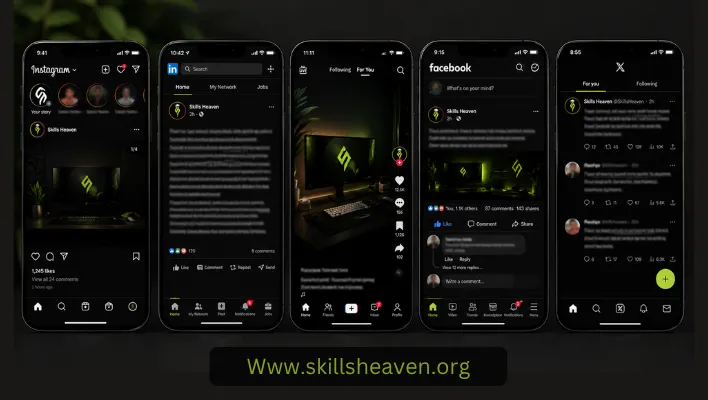
One mistake I’ve made in the past was publishing the same post on every platform. It saved time, but the results were never consistent. Over time, I realised that every platform has its own audience and content style. The message can stay the same, but the way you present it should change.
Instagram Engagement Tactics
Instagram is a visual-first platform, so your content needs to grab attention quickly. Carousel posts work well for educational content because they encourage people to keep swiping, while Reels are great for reaching new audiences.
Quick Tip: Make your first carousel slide or the first three seconds of your Reel strong enough to stop people from scrolling.
LinkedIn Content Strategy
LinkedIn users usually respond well to real experiences, lessons, and professional insights. I’ve found that posts sharing a challenge, a mistake, or a lesson learned often generate better discussions than promotional content.
Quick Tip: Break long paragraphs into shorter ones to make your posts easier to read on both desktop and mobile.
TikTok Short-Form Strategy
TikTok moves fast, so you have very little time to grab attention. Get straight to the point, use clear visuals, and keep the pace moving throughout the video.
Quick Tip: Try to introduce your main idea within the first few seconds instead of saving it for later.
Facebook Engagement Basics
Facebook continues to work well for communities and discussions. Questions, personal stories, and helpful advice often encourage more comments than promotional updates.
Quick Tip: If you manage a Facebook Group, focus on starting conversations instead of simply sharing links.
X (Twitter) Conversation-Driven Content
X is designed for fast conversations. Short opinions, useful insights, timely observations, and threads usually perform better than long explanations.
Quick Tip: End your post with a simple question if you want to encourage replies and keep the conversation going.
Content Strategy for Consistency and Growth
One of the biggest improvements I made wasn’t posting more often. It was creating a simple content plan. Before that, I’d publish whenever an idea came to mind. Some posts performed well, while others disappeared without much engagement. Once I started planning my content in advance, posting became more consistent, less stressful, and much easier to manage.
Creating a Content Calendar
A content calendar doesn’t have to be complicated. Before planning my posts, I ask myself three simple questions: What am I posting? Who is it for? What do I want this post to achieve? Answering these questions helps me stay organised and creates a healthy mix of educational, engaging, and promotional content instead of posting whatever comes to mind.
Build Your Content Around a Few Core Topics
Another lesson I learned was to stop posting about everything. When I focused on a few core topics, planning became much easier and my audience knew what to expect from my content.
For example, your content could regularly cover educational tips, personal experiences, industry news, behind-the-scenes updates, and customer success stories. These are often called content pillars because they give your content strategy a clear direction. Instead of searching for a brand-new idea every day, you simply explore different angles of the same core topics.
Posting Frequency vs Quality
I’ve seen accounts publish every day and still struggle to build an audience. I’ve also seen creators post only a few times each week and achieve much better engagement because every post had a clear purpose.
My advice is simple. Don’t post just to stay active. Publish when you have something genuinely useful to share. People are far more likely to remember helpful content than frequent content with little value.
Repurposing Content Across Platforms
Creating fresh content every day isn’t realistic for most creators, and it isn’t necessary either. One good idea can often become several different pieces of content.
For example, a blog post can become a LinkedIn article, the main points can be turned into an Instagram carousel, key takeaways can be shared as a short video, and one practical lesson can become a quick post on X. Repurposing content saves time while helping you reach different audiences across multiple platforms.
Turn One Topic into a Content Series
One thing I’ve found works really well is turning a successful topic into a short content series instead of stopping after a single post.
For example, if people respond well to a post about social media mistakes, you could follow it with another post explaining how to fix those mistakes and then finish the series by sharing real examples or lessons you’ve learned.
A content series gives people a reason to come back for the next post. It also helps you get more value from a single idea instead of constantly searching for new topics.
How to Measure and Improve Engagement
Creating content is only half the job. The other half is understanding what your audience responds to. Every post teaches you something if you take the time to review the results.
Key Metrics That Actually Matter
It’s easy to focus on likes because they’re the first number you see, but I’ve found they rarely tell the whole story.
I pay much closer attention to:
- Comments
- Shares
- Saves
- Watch time
- Engagement rate
These metrics usually give a better picture of whether people genuinely found the content useful.
Using Analytics to Improve Future Posts
After publishing a post, I always spend a few minutes checking what happened.
Questions I ask myself include:
- Which topic attracted the most attention?
- Which format performed best?
- Did people save or share the post?
- Which hook kept people reading?
Looking for these patterns makes planning future content much easier.
Keep Testing and Learning
Not every post will perform well, and that’s completely normal. I’ve had posts I expected to do well completely flop, while simple ideas sometimes exceeded my expectations.
Instead of deleting poor-performing posts or getting discouraged, use them as feedback. Every result gives you a better idea of what your audience enjoys.
Common Mistakes That Kill Engagement
Sometimes improving engagement isn’t about doing more. It’s about avoiding the mistakes that quietly reduce your results.
Weak Hooks
If your opening line doesn’t make people curious, most won’t continue reading. Spend extra time on your first sentence because it decides whether someone stops or keeps scrolling.
Overly Promotional Content
People follow accounts to learn, solve problems, or be entertained. If every post is trying to sell something, engagement usually drops. Build trust first, and promotion will feel much more natural.
Ignoring Audience Feedback
Your audience tells you what works every day through comments, shares, saves, and questions. Paying attention to those signals has helped me create much better content than simply guessing what people might like.
Inconsistent Posting
You don’t have to post every day, but you do need a routine. Consistency helps people remember your content and gives your audience a reason to come back.
Quick Summary
Creating engaging social media posts isn’t about finding a secret trick or chasing every new trend. From my experience, the posts that perform best are the ones that solve a problem, tell a genuine story, or start a meaningful conversation.
If you remember only a few things from this guide, make them these:
- Know who you're creating content for.
- Grab attention with a strong opening.
- Keep your message simple and focused.
- Use visuals that support your content.
- Give people a reason to comment, share, or save.
- Learn from your analytics and keep improving.
You don’t need every post to go viral. You just need to understand what your audience values and create more content that helps, inspires, or starts a conversation.
Frequently Asked Questions About Creating Engaging Social Media Posts
How do you create engaging social media posts?
Creating engaging social media posts starts with a strong hook, one clear message, relevant visuals, and a call to action that encourages people to interact.
What type of content gets the most engagement?
There’s no single format that works every time, but I’ve consistently seen short videos, carousel posts, educational content, and personal stories perform well. The common factor isn’t the format itself. It’s whether the content gives people a reason to stop, learn something, or join the conversation.
How do you write engaging captions?
There’s no single format that works every time, but I’ve consistently seen short videos, carousel posts, educational content, and personal stories perform well. The common factor isn’t the format itself. It’s whether the content gives people a reason to stop, learn something, or join the conversation.
Why do my social media posts get little engagement?
In many cases, the problem isn’t the algorithm. It’s the content itself. Weak hooks, unclear messaging, poor visuals, or not giving people a reason to interact can all reduce engagement. Small improvements to these areas often make a noticeable difference.
What is the best time to post on social media?
The best posting time depends on your audience, not a universal schedule. Start by checking your platform analytics, test different times, and look for patterns. What works for one account may not work for another.
How often should I post on social media?
I’ve learned that consistency is more important than frequency. It’s better to publish three valuable posts each week than to post every day without giving your audience something useful.
Do hashtags still help with engagement?
I’ve learned that consistency is more important than frequency. It’s better to publish three valuable posts each week than to post every day without giving your audience something useful.
Do hashtags still help with engagement?
Yes, but only when they’re relevant. Instead of adding as many hashtags as possible, choose a small number that match your topic and audience. They should support your content, not replace it.
How long does it take to improve social media engagement?
There’s no fixed timeline because every audience is different. If you consistently improve your hooks, captions, visuals, and overall content strategy, you can often start noticing better engagement within a few weeks. The key is to keep testing, learning, and making small improvements over time.
Sources & References
This article is based on current social media best practices and guidance from the following trusted resources:
Buffer – Social Media Engagement Guide
Sprout Social – Social Media Engagement & Content Strategy
HubSpot – Social Media Content Creation Guide
Hootsuite – Social Media Marketing Best Practices
Meta Business Help Centre – Facebook & Instagram Content Guidance
LinkedIn Marketing Solutions – Content Marketing Resources
TikTok Business Learning Center – Content Creation Best Practices
Ready to Improve Your Social Media Engagement?
Getting more engagement isn’t about posting more. It’s about creating better content. Small improvements to your hooks, captions, visuals, and calls to action can make a big difference.
If you’re not sure what’s holding your content back, let us review your social media strategy and show you where you can improve.

M. Awais Khan is a Business Development and Digital Growth Strategist at SkillsHeaven, specializing in SEO, local search optimization, and performance-driven digital marketing. With experience supporting 100+ businesses, he develops and implements data-driven strategies that help companies increase online visibility, generate qualified leads, and drive sustainable revenue growth. His expertise spans Local SEO, Google Ads, social media marketing, and conversion-focused website optimization, ensuring every project is aligned with measurable business outcomes and long-term success.