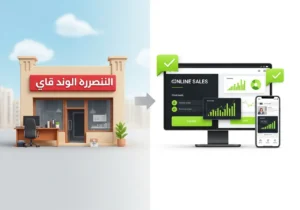
Digital Transformation for Traditional UAE Businesses is now a strategic necessity, as family-owned retailers, traders, service providers, and manufacturers face critical change.
The UAE Digital Transformation Market, valued at USD 1.57 billion in 2025, is projected to reach USD 3.75 billion by 2031, reflecting the rapid pace of change. Globally, spending is expected to exceed USD 3 trillion by 2026. These figures highlight a clear reality: businesses that delay transformation risk becoming irrelevant.
This guide from Skills Heaven outlines a practical framework for UAE businesses to navigate digital transformation covering its importance, real-world application, roadmap development, and key challenges.
The State of Digital Transformation in the UAE
Government Vision and Market Reality
The UAE government has been a primary driver of digital transformation across the economy. Statista surveys reveal that 34% of UAE organisations have instituted comprehensive digital transformation strategies, while nearly 90% are actively engaged in digital transformation initiatives. The government has allocated USD 2.7 billion for digital transformation projects in 2024, and 95% of government services in the UAE are now fully digital.
The National Digital Government Strategy 2025, overseen by the Telecommunications and Digital Government Regulatory Authority (TDRA), sets the framework for national digital infrastructure. UAE’s AI Strategy 2031 targets making the country a global AI leader with AI contributing 14% to national GDP by 2030. For traditional businesses, these government initiatives create both opportunity and competitive pressure as the regulatory and infrastructure environment increasingly favours digitally capable organisations.
What Is Driving Traditional Businesses to Transform
Three primary forces are compelling traditional UAE businesses to accelerate digital transformation. First, changing consumer expectations: UAE consumers now expect digital touchpoints at every stage of the buying journey.
With 99% internet penetration and an average of 8 hours and 11 minutes of daily online activity per user, consumers research, compare, and purchase across digital channels. A traditional business that cannot be found online, cannot transact digitally, and cannot communicate through digital channels is invisible to a growing proportion of its potential customer base.
Second, competitive pressure: digital-native competitors and digitally transformed traditional businesses are taking market share from those that have not adapted. The UAE’s e-commerce market is growing at a CAGR of 14.2%, and social commerce is growing at 16.2% annually. Every category that can be transacted digitally is experiencing this shift.
Third, operational efficiency: businesses that have integrated digital operations report significant performance improvements. UAE companies that integrated IoT into operations reported 25% reductions in operational costs. Companies adopting AI-driven customer insights report 30% increases in customer retention rates.
What Digital Transformation Means for Traditional UAE Businesses
Common Misconceptions About Digital Transformation
The most common misconception among traditional UAE business owners is that digital transformation means building a website or creating social media profiles. While these are components of digital presence, they are not transformation.
True digital transformation is the fundamental integration of digital technologies into all aspects of a business, changing how it operates, how it delivers value, and how it engages with customers and partners.
Approximately 70% of companies are adopting technological tools to enhance their operations, customer interactions, and revenue strategies globally. In the UAE, 85% of businesses had already adopted at least one digital transformation initiative by 2024.
However, 74% of UAE executives believe that digital transformation is critical to maintaining a competitive edge, suggesting that many recognise the imperative even if implementation is incomplete.
Misconceptions about what digital transformation actually requires are part of a broader pattern of digital marketing decisions that hold UAE businesses back from genuine competitive advantage. See Common Digital Marketing Mistakes UAE Companies Make to identify every strategic gap at once.
The Four Dimensions of Digital Transformation
Skills Heaven defines digital transformation across four interconnected dimensions. Customer experience transformation involves redesigning every customer touchpoint to be digitally enabled: online discovery through SEO and social media, digital inquiry and quotation through websites and WhatsApp, digital payment and transaction, and post-sale digital communication and support.
Operational transformation involves digitising internal processes: inventory management, accounting, HR, supply chain communication, and reporting systems. This dimension typically delivers immediate, measurable cost savings and efficiency gains.
Business model transformation involves evolving how the business creates and captures value: adding e-commerce to a physical retail operation, creating digital subscription services alongside traditional product sales, or using digital platforms to access new customer segments.
Cultural and capability transformation involves developing the people, skills, and organisational mindset needed to operate effectively in a digital environment. This is often the most challenging dimension and is frequently underestimated.
Sector-Specific Digital Transformation for UAE Traditional Businesses
Traditional Retail
Traditional retailers in the UAE face direct competitive pressure from e-commerce platforms including Noon, Amazon UAE, and Carrefour online, as well as from social commerce through Instagram Shop and TikTok Shop.
The transformation path for traditional retailers includes developing an omnichannel strategy that integrates physical and online channels, implementing a point-of-sale system that connects inventory management across physical and digital channels, building an e-commerce capability through a proprietary website or marketplace presence, and leveraging social media for product discovery and shoppable content.
The UAE’s e-commerce market is projected to reach USD 9.2 billion by 2026, and online sales are expected to represent a growing share of total retail consumption.
Traditional retailers that establish digital commerce capability now position themselves to capture this growth, while those that delay face margin pressure as digital competitors take increasing market share.
Trading Companies and Wholesale Businesses
Traditional B2B trading companies in the UAE are transforming through digital procurement platforms, digital catalogues replacing physical samples and price lists, CRM systems managing customer relationships and transaction histories, and digital documentation workflows replacing paper-based processes.
Cloud-based ERP systems enable real-time inventory visibility, automated reorder triggers, and digital financial reconciliation that dramatically reduce operational overhead.
Professional Services
Professional services businesses accounting firms, legal practices, HR consultancies, management advisors are experiencing digital transformation through client-facing digital platforms enabling document exchange and digital signatures, online appointment booking and video consultation capability, digital marketing through LinkedIn and content platforms to establish thought leadership, and automated billing and payment systems. The UAE Professional Services sector is among the most competitive in the GCC, and digital differentiation is increasingly a decisive factor in client acquisition.
Hospitality and Food and Beverage
UAE hospitality and F&B businesses are transforming through digital reservation and ordering systems, delivery platform integrations (Talabat, Deliveroo), digital loyalty programs, and active social media and influencer marketing programs.
Cloud-based POS systems enable real-time sales analytics, customer preference tracking, and inventory management that improve both operational efficiency and customer experience quality.
Building a Digital Transformation Roadmap
Phase 1: Digital Foundation (Months 1-3)
The digital foundation phase establishes the basic infrastructure required for all subsequent transformation activities. This includes developing a mobile-optimised website using proper web development practices (fast loading speed, responsive design, clean code structure, UX optimisation, and secure architecture) with clear service descriptions, contact information, and basic SEO optimisation;
setting up Google Business Profile for local search visibility; establishing business social media profiles on relevant platforms; implementing a basic CRM system for customer data management; and setting up Google Analytics for website performance tracking.
Skills Heaven recommends that traditional UAE businesses treat the digital foundation phase as urgent infrastructure investment, comparable to setting up physical premises. Every month without this foundation is a month of lost visibility and missed customer interactions. The cost of establishing these foundations typically AED 5,000 to AED 20,000 depending on scope is substantially lower than the ongoing cost of operating without digital presence in an increasingly digital market.
A secure website is not an optional add-on to the digital foundation — it is a prerequisite for customer trust, Google visibility, and regulatory compliance in the UAE market. Our guide on Website Security for UAE Businesses covers everything a traditional business needs to secure its digital foundation from day one.
Phase 2: Digital Operations (Months 4-9)
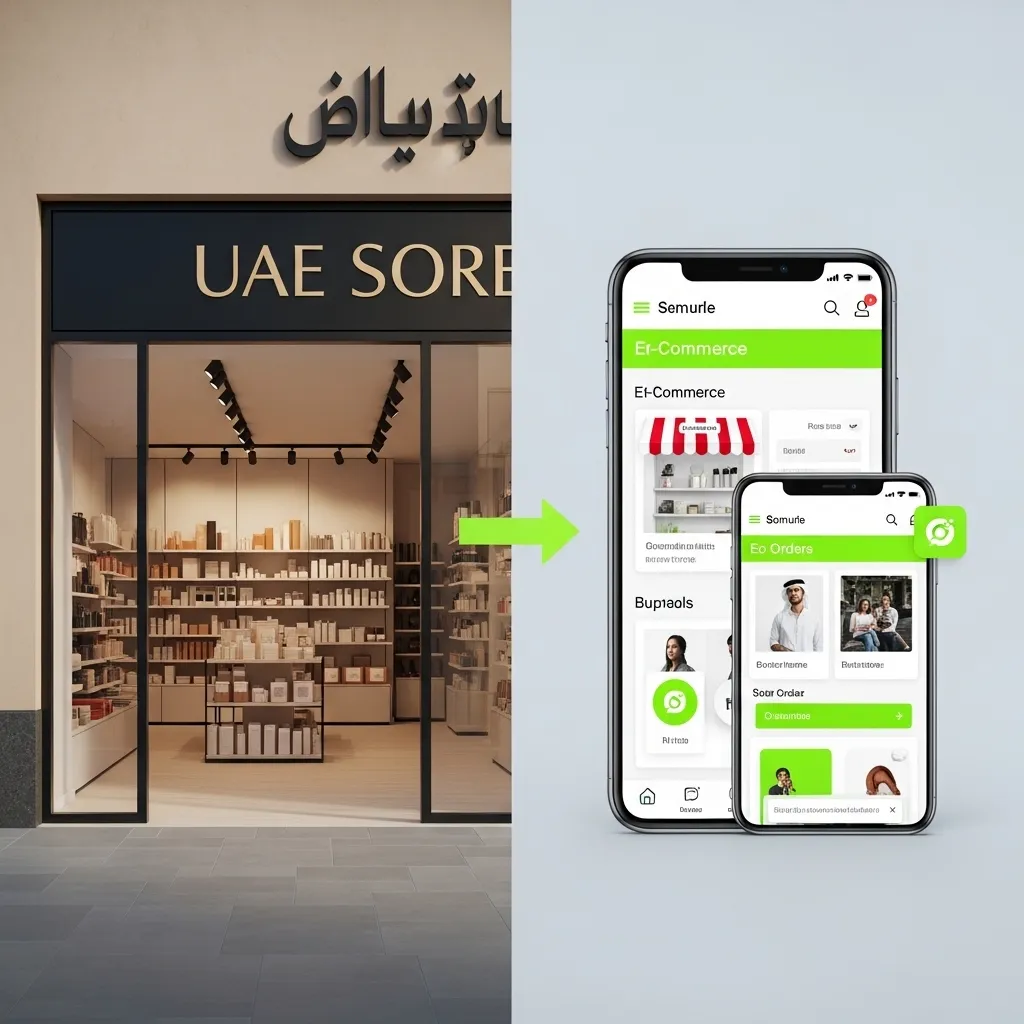
The digital operations phase integrates digital tools into core business processes. For retail businesses, this means implementing an inventory management system, developing e-commerce capability, and integrating digital payment options.
For service businesses, this means implementing online booking, digital communication workflows, and automated client follow-up. For all business types, this phase includes developing a structured digital marketing program SEO, social media, and email marketing that consistently drives digital discovery and customer engagement.
Building a structured digital marketing programme in the operations phase requires choosing the right channels for the specific business type and audience — a decision that determines ROI across the entire transformation journey. Our guide on Choosing the Right Marketing Channels in UAE gives the full channel selection framework for this market.
Phase 3: Digital Differentiation (Months 10-18)
The digital differentiation phase uses digital capabilities to create genuine competitive advantages. This may involve developing AI-powered customer personalisation, implementing advanced analytics for business intelligence, launching digital-native products or services alongside traditional offerings, or expanding into new markets enabled by digital distribution. At this stage, digital transformation transitions from catch-up to competitive advantage.
Overcoming the Key Barriers to Digital Transformation
Change Resistance and Cultural Barriers
Many UAE traditional businesses encounter internal resistance to digital transformation from employees, managers, and sometimes owners who are comfortable with existing processes and concerned about the disruption that change will bring. This is one of the most common challenges UAE companies face in digital transformation initiatives.
Overcoming change resistance requires clear leadership communication about why transformation is necessary and what the business risks of inaction are; structured training programs that build digital capability incrementally without overwhelming staff; involving key employees in the transformation process so they feel ownership rather than imposition; and demonstrating early wins specific improvements in efficiency, customer satisfaction, or revenue that build organisational confidence in the transformation program.
Skills Gap and Talent
The swift advancement of technology has resulted in a skills gap, especially in fields like AI and data analytics, across UAE businesses. Traditional businesses that lack internal digital expertise face the challenge of determining which skills to develop internally versus which to access through agency partnerships or specialist hiring.
Skills Heaven recommends a pragmatic approach: identify the two to three most critical digital capabilities for the business, invest in developing internal competency in these areas, and rely on agency partnerships for specialist execution in other digital functions.
Budget Constraints and ROI Uncertainty
Traditional UAE businesses that have operated profitably without significant digital investment often question the ROI of digital transformation. The evidence is clear: UAE businesses that have implemented digital transformation report measurable improvements in customer acquisition, operational efficiency, and revenue growth. Companies that integrate IoT reduce operational costs by 25%; businesses with AI-driven customer insights report 30% higher retention. Digital transformation investment should be framed not as technology spending but as infrastructure investment with measurable business returns.
The Role of Government Support in UAE Digital Transformation
UAE traditional businesses have access to significant government support for digital transformation. The National SME Programme provides expertise, training, and technical support for SME digital initiatives. Dubai SME offers seed capital of up to AED 1 million for qualifying businesses.
The Make it in the Emirates initiative supports manufacturers with waived fees and marketing resources. Free zone authorities including DMCC, DIFC, and Dubai Silicon Oasis provide digital infrastructure and innovation support for businesses within their jurisdictions.
Skills Heaven recommends that traditional UAE businesses conduct a thorough audit of available government support programs before committing to self-funded digital transformation.
Leveraging available grants, subsidised training programs, and government digital infrastructure can substantially reduce the investment required while accelerating the transformation timeline.
Measuring Digital Transformation Progress
Digital transformation progress must be measured systematically to maintain accountability and demonstrate business value. Key metrics for traditional UAE businesses include digital revenue as a percentage of total revenue, online customer acquisition cost versus traditional marketing cost, operational efficiency metrics such as order processing time and cost per transaction, customer digital engagement metrics, and digital channel contribution to total customer interactions.
Skills Heaven advises traditional UAE businesses to establish baseline measurements for each of these metrics before beginning transformation activities, then track progress quarterly. Transformation programs without measurement frameworks inevitably lose momentum and executive commitment. With clear, consistent measurement, transformation becomes a data-driven business improvement program rather than a technology project.
Conclusion: The Urgency of Digital Transformation for UAE Traditional Businesses
The digital transformation of UAE traditional businesses is not a question of if but when and for many, the question is whether transformation will happen proactively by the business itself or reactively in response to competitive pressure. The UAE Digital Transformation Market is growing at 15.62% CAGR. AI, cloud computing, and digital commerce are reshaping every industry. Competitors are transforming.
Traditional UAE businesses that begin their digital transformation journey today establishing foundations, integrating digital operations, and developing digital differentiation position themselves to compete successfully in the UAE’s evolving digital economy. Those that delay face the compound disadvantage of starting later, building on weaker foundations, and competing against rivals who have had months or years of digital advantage.
Skills Heaven exists to provide traditional UAE businesses with the education, frameworks, and practical guidance they need to navigate digital transformation successfully. Every tool, strategy, and recommendation in this guide is designed to make digital transformation accessible, structured, and measurable for businesses at every stage of their digital journey.
Frequently Asked Questions
What is digital transformation for traditional businesses in the UAE?
Digital transformation is the integration of digital technologies into all areas of a business, including operations, customer experience, and business models, to improve efficiency, competitiveness, and growth.
Why is digital transformation important for UAE businesses?
It is essential due to rising digital consumer expectations, increasing competition from digital-first companies, and the UAE government’s strong push toward a digital economy.
What are the first steps in digital transformation?
The first steps include building a website, setting up social media profiles, implementing a CRM system, and establishing a basic digital presence like Google Business Profile.
How much does digital transformation cost in the UAE?
Initial costs for foundational digital setup usually range between AED 5,000 to AED 20,000, but full transformation costs vary depending on business size and scope.
Can small traditional businesses in the UAE afford digital transformation?
Yes. With government support programs, affordable SaaS tools, and phased implementation, even small businesses can successfully transform.

Wali Shah is the Founder and CEO of SkillsHeaven, a digital growth agency specializing in Local SEO, Google Ads, and conversion-focused website development. With over 8+ years of experience, he has helped scale 170+ businesses, including 93+ limousine companies globally, by building structured, lead-generating digital systems. His expertise spans local search optimization, paid media strategy, and high-performance website development, all aligned with measurable business growth. Known for a data-driven and ethical approach, Wali focuses on creating scalable marketing systems that increase visibility, generate qualified leads, and drive long-term revenue for service-based businesses.