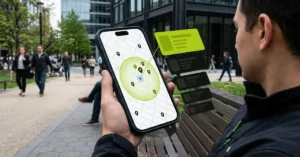
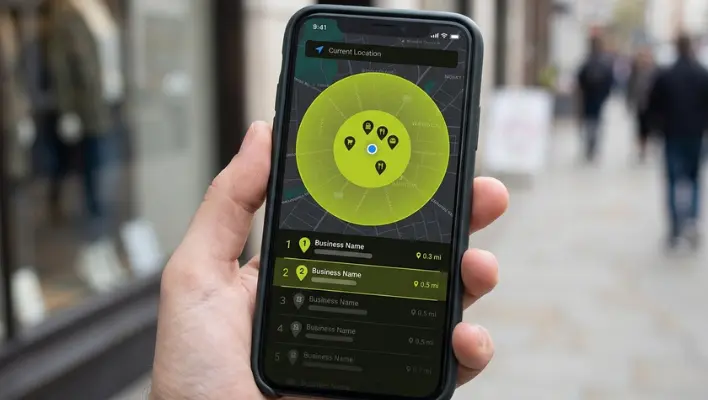
Proximity affect local SEO rankings by measuring the distance between a searcher and a business. Google uses this distance as one of its main local ranking signals. The closer a business sits to the person searching, the higher it tends to appear in local results. At Skills Heaven, we offer local SEO services to help businesses appear in front of nearby customers exactly when they search.
What Proximity Means in Local SEO
Proximity refers to the physical distance between a searcher and a business location. Google reads this distance through IP addresses, device GPS data, and browser settings. When someone searches for a service near them, Google shows businesses within a close radius first. This applies heavily to searches like plumber near me or coffee shop nearby.
Proximity works alongside two other major signals. These are relevance and prominence. Relevance shows how well a business matches search intent. Prominence reflects reputation through reviews, backlinks, and citations. Together, these three signals shape the local pack results shown on Google Maps. Our guide on local SEO ranking factors breaks down each of these signals in more depth.
How Does Proximity Affect Local SEO Rankings in Practice
How does proximity affect local SEO rankings daily? It changes results from one street to the next. A business two miles from a searcher often outranks a stronger competitor five miles away. This happens even when the farther competitor has better reviews or content.
Google prioritizes convenience for the user first. A searcher wants a fast, nearby answer to their need. This is especially true for mobile searches with local intent. Someone searching while out and about expects results they can reach quickly.
The effect grows stronger in dense cities with many competitors. In smaller towns, businesses can often rank across a wider radius. Market saturation plays a direct role in how far proximity reaches.
Why Distance Alone Does Not Decide Everything
Distance carries real weight, yet it rarely acts alone. A business with strong website authority can extend its visible radius. Quality backlinks, consistent citations, and detailed service pages all support this growth. Over time, Google builds more confidence in a business that shows clear expertise. Moz’s Local Search Ranking Factors survey confirms that on-page and off-page signals continue to influence local visibility alongside proximity.
This means proximity sets the starting point, not the outcome. Businesses that invest in strong content and structured data expand how far they rank. Search engines reward consistency, trust signals, and genuine local relevance alongside distance.
Can Setting Service Areas in Local SEO Impact Ranking
Yes, setting service areas in local SEO can impact ranking in a positive way. A service area profile tells Google exactly which neighborhoods and cities a business serves. This works well for mobile businesses like cleaners, electricians, and moving companies that visit customers directly.
Google Business Profile allows businesses to list multiple service areas instead of showing a public storefront address. This setup helps the business appear in searches across each listed area. It also keeps the profile compliant with Google guidelines for service area businesses.
Does Setting Service Areas in Local SEO Impact Ranking Across Multiple Cities
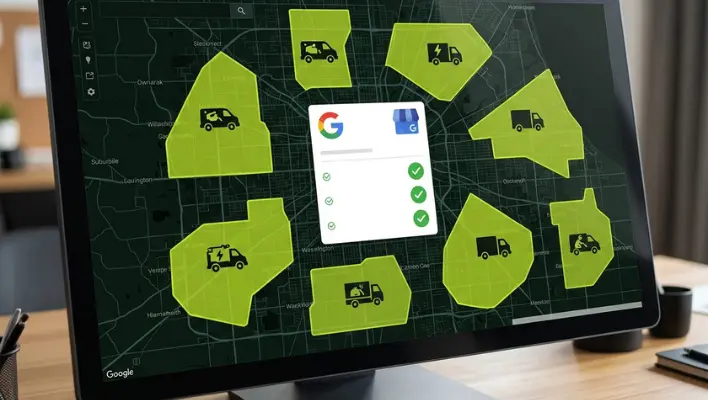
Does setting service areas in local seo impact ranking when a business covers several cities? It does, and the impact grows stronger with dedicated content. Businesses that build separate landing pages for each city or region tend to perform better. Each page should include unique details about that specific area. Structuring these pages around a clear SEO topical map helps each location page connect back to your core service.
Generic pages that only swap a city name rarely perform well. Google favors pages with genuine local details, such as neighborhood names, local landmarks, or region-specific service notes. This approach helps each page earn its own visibility in that area.
Can Hiding Your Business Address Impact Your Local SEO Rankings
Can hiding my business address impact my local SEO rankings? Yes, this choice carries real consequences. Google allows address hiding only for legitimate service area businesses that do not serve walk-in customers. Hiding an address without meeting these conditions can limit local pack visibility.
Businesses with a genuine storefront benefit from showing their full address. This builds trust with both users and search engines. Consistent address details across the website, Google Business Profile, and online directories strengthen local signals significantly.
Service area businesses should still keep an accurate hidden address on file with Google. This address confirms the business location for ranking purposes, even though it remains private from public view.
How Are Out-of-State Businesses Ranking in Local SEO
How are out-of-state businesses ranking in local seo without a nearby address? Some businesses attempt to rank in cities far from their actual location. Google Business Profile guidelines require a real, staffed location within the service area for most categories. Listings that do not meet this standard tend to lose visibility over time.
Genuine expansion works better through opening real branches, partnering with local teams, or building strong location-specific content. Businesses that follow Google guidelines see more stable rankings than those attempting shortcuts. Long-term visibility depends on trust and accuracy, not workarounds.
Does Local SEO Support Global Rankings
Does local SEO support global rankings for businesses with wider ambitions? Local SEO focuses on specific cities, regions, or service areas rather than global reach. However, a strong local foundation supports global growth in a meaningful way.
Businesses that rank well in multiple cities build a wider footprint over time. Each city page adds authority and relevance across a broader area. This layered approach helps a brand grow from local visibility toward regional and eventually international recognition.
Global visibility usually comes from a separate strategy focused on international SEO. This includes hreflang tags, country-specific content, and broader keyword targeting. Local SEO remains the strongest starting point for building consistent trust in each market.
Does Embedding a Google Maps Iframe Help Local SEO Rankings in 2026
Does embedding a Google Maps iframe help local SEO rankings in 2026? remains a common question among business owners. A map embed adds helpful context for both users and search engines. It confirms that the website and Google Business Profile share the same physical location.
This embed works best on contact pages, about pages, or footer sections. Placing a map here reinforces consistent location signals across the site. It also improves user experience by giving visitors a quick way to find directions.
A map embed alone does not guarantee higher rankings. It supports other local signals rather than replacing them. Businesses should pair map embeds with accurate NAP details, schema markup, and genuine local content for the strongest results.
How to Expand Visibility Beyond a Limited Radius
Businesses cannot move their physical address, yet they can still grow their reach. Here are proven ways to expand local visibility.
Build detailed, unique content for every service area page. Include specific neighborhood names and local details throughout each page.
Keep NAP information consistent across the website, directories, and Google Business Profile. Small inconsistencies can weaken trust signals over time.
Earn backlinks from local news sites, community blogs, and business associations. These links strengthen geographic relevance in a natural way. Reviewing the different types of backlinks in SEO can help you prioritize which link sources matter most for local trust.
Collect genuine reviews from real customers across different areas served. Reviews build prominence, which supports rankings even outside proximity.
Add local business schema markup to every location page. This structured data helps search engines understand exactly where a business operates.
Optimize Google Business Profile categories, services, and photos regularly. An active, detailed profile signals ongoing relevance to search engines.
Frequently Asked Questions
How does proximity affect local SEO rankings the most?
Proximity affects local SEO rankings mainly through the distance between the searcher and the business. Google shows the closest relevant businesses first for most local searches. Strong content and citations can still extend how far a business ranks.
Can setting service areas in local SEO impact ranking for a mobile business?
Yes, setting service areas in local SEO can impact ranking in a helpful way. Mobile businesses like cleaners or electricians can list every city they serve. This helps Google match the business with searches across each listed area.
Can hiding my business address impact my local SEO rankings?
Hiding a business address can impact rankings depending on the business type. Service area businesses without walk-in customers can hide their address safely. Storefront businesses generally benefit from showing a full, accurate address.
Does embedding a Google Maps iframe help local SEO rankings in 2026?
A Google Maps iframe still supports local SEO rankings in 2026. It confirms the connection between a website and a Google Business Profile. This works best when paired with consistent NAP details and schema markup.
Does local SEO support global rankings for growing businesses?
Local SEO builds the foundation that supports wider growth over time. A strong presence across many cities adds authority to a brand. Global rankings usually require a separate strategy alongside this local groundwork.
Final Thoughts
How does proximity affect local SEO rankings in the bigger picture? It remains one of the strongest signals in local search today. Distance shapes visibility, yet relevance and prominence shape how far that visibility extends. Businesses that combine strong content, consistent citations, and genuine local trust can grow their reach well beyond their immediate radius.
At Skills Heaven, we help businesses build local strategies that work with proximity instead of against it. Reach out to our team today to see how far your visibility can grow.

Wali Shah is the Founder and CEO of SkillsHeaven, a digital growth agency specializing in Local SEO, Google Ads, and conversion-focused website development. With over 8+ years of experience, he has helped scale 170+ businesses, including 93+ limousine companies globally, by building structured, lead-generating digital systems. His expertise spans local search optimization, paid media strategy, and high-performance website development, all aligned with measurable business growth. Known for a data-driven and ethical approach, Wali focuses on creating scalable marketing systems that increase visibility, generate qualified leads, and drive long-term revenue for service-based businesses.