The best storytelling techniques for Middle Eastern brands focus on cultural relevance, emotional depth, and trust-building narratives. They combine tradition, modern identity, and community values to create meaningful brand connections that go far beyond surface-level marketing.
A successful storytelling strategy in the Middle East aligns content with audience behavior, language preferences, and platform usage drawing from the full spectrum of storytelling techniques, including visual storytelling techniques, digital storytelling techniques, and storytelling techniques for business.
Many brands try to copy Western storytelling styles when entering Middle Eastern markets and fail to gain traction. The reason is straightforward. Middle Eastern audiences respond to values-driven narratives, cultural symbolism, and authenticity rather than clever creativity or aggressive calls to action.
If you want your content to truly connect and convert in this region, you need storytelling techniques designed specifically for its audiences and context. This blog breaks down the most effective strategies for Middle Eastern brands, along with practical insights from Skills Heaven that you can apply directly to your content and campaigns.
Why Storytelling Matters More in the Middle East
In Middle Eastern markets, the relationship between a brand and its audience is built on a foundation of trust, values, and shared identity. Buying decisions are heavily influenced by trust, and that trust is earned through consistent, culturally resonant communication over time.
Family and community values shape how audiences perceive brands. A brand that acknowledges and reflects these values is seen as part of the community, while one that ignores them feels foreign and transactional. Cultural identity plays a major role in every purchasing decision, from everyday products to premium services.
This means your storytelling must build emotional connection early in the customer journey, reflect local values authentically, and feel respectful of the cultural context in which you are operating. Whether you are applying storytelling techniques for business or adapting digital storytelling techniques for regional platforms, without this cultural foundation even technically excellent content fails to generate meaningful engagement or conversion.
1. Culture-Driven Storytelling Techniques
One of the most powerful storytelling techniques available to Middle Eastern brands is embedding culture directly into the narrative. This is not about adding cultural references as decoration. It is about building your entire story around cultural values, moments, and symbols that your audience already holds dear.
Practical application means using local traditions and symbols that carry genuine meaning, reflecting social values like hospitality, generosity, and respect that define the regional character. It also means aligning campaigns with cultural moments that matter, such as Ramadan, Eid, or National Day celebrations.
A campaign centered on Ramadan that focuses on the themes of generosity and togetherness, for example, resonates far more deeply than a generic seasonal promotion. The story becomes part of a moment your audience is already emotionally invested in, and that connection creates lasting brand memory.
2. Emotion-First Storytelling Techniques
Emotion is the core engine of Middle Eastern storytelling. Audiences in this region respond powerfully to stories that touch on family bonds, personal pride, cultural identity, and aspirations for a better future. These are not abstract concepts; they are the lived experiences of your audience.
The key emotional triggers that work consistently across the region include:
- Family bonding and the importance of togetherness
- Pride in cultural and national identity
- The desire for trust and security in the products and services they choose
- Aspiration tied to personal and professional success
The practical shift this requires is moving from product-focused messaging to impact-focused storytelling. Instead of telling your audience that your product is the best in the market, show them how it strengthens family relationships, enables personal growth, or helps them achieve something they truly care about.
3. Narrative of Legacy and Heritage
Middle Eastern audiences have a deep and genuine appreciation for history, legacy, and the stories behind the things they choose to invest in. A brand that can articulate where it came from, what it stands for, and how it has grown over time builds a level of credibility that no advertising campaign can manufacture.
The content that works best at this level includes brand origin stories that are honest and human, founder journeys that show real challenges and genuine purpose, and stories of growth and resilience that demonstrate your brand has stood the test of time. These narratives are not about boasting; they are about earning trust through transparency.
Skills Heaven helps brands develop and communicate their heritage narratives in ways that feel authentic rather than rehearsed. When a Middle Eastern audience feels that a brand has roots and real values, they are far more likely to build a lasting relationship with it.
4. Community-Centric Storytelling Techniques
One of the most important distinctions between Middle Eastern and Western storytelling is the shift from individual to community. Western narratives often celebrate the lone hero or the individual journey. In the Middle East, the most resonant stories are those where the community succeeds together.
A community-centric storytelling strategy highlights shared experiences that your audience recognizes from their own lives, features real customer stories that others in the community can relate to, and focuses on collective success rather than individual achievement. This approach creates a genuine sense of belonging around your brand.
When your audience sees people like themselves in your stories, people from their communities, their backgrounds, and their experiences, the barrier between brand and customer collapses. Your brand becomes part of the community rather than a voice speaking at it.
5. Bilingual Storytelling Strategy
Bilingual storytelling is one of the most consistently overlooked storytelling techniques in Middle Eastern brand marketing, yet it is one of the most impactful. The UAE and the wider region operate across Arabic and English, and each language carries distinct advantages that, when used strategically, dramatically expand your reach and emotional impact.
Arabic content delivers emotional depth. It connects with audiences at a cultural and personal level that English simply cannot replicate for native Arabic speakers. English content, on the other hand, delivers informational clarity and appeals to the region’s large expatriate and professional audiences who prefer structured, direct communication.
The most effective approach is to use Arabic for emotionally driven storytelling content such as brand narratives, cultural campaigns, and community stories, while using English for structured messaging such as product information, service explanations, and professional thought leadership. Blending both increases reach, deepens emotional resonance, and signals that your brand understands and respects its diverse audience.
6. Visual Storytelling Techniques and the Video-First Approach
The Middle East has one of the highest rates of video consumption in the world, and the region’s audiences have a strong, consistent preference for visual content across all age groups and demographics. For brands, this means that visual storytelling techniques are not an optional add-on but a core part of any effective content strategy.
Strong visual storytelling techniques go beyond simply pointing a camera at your product. They involve deliberate choices in color, setting, character, and sequence that communicate meaning before a single word is spoken or read. The formats that perform best include:
- Short-form videos designed for Instagram Reels and TikTok that deliver emotional impact quickly
- YouTube storytelling that allows for deeper, longer narratives
- Cinematic-quality brand films that combine cultural elements with high production values
- Digital storytelling techniques applied across interactive and animated formats for deeper platform engagement
The visual language itself should feel native to the region. Colors, settings, family dynamics, and cultural moments that your audience recognizes from their own lives should be woven into the visual narrative. Skills Heaven works with brands to develop visual storytelling frameworks that balance production quality with cultural authenticity, ensuring the content feels genuine rather than produced.
7. Platform-Specific Storytelling Techniques
A critical mistake many Middle Eastern brands make is telling the same story in the same way across every platform. Different platforms attract different audiences with different expectations, and your storytelling approach must adapt accordingly to be effective on each one.
The right storytelling techniques vary by platform:
- Instagram is the platform for emotional, visual stories that communicate through imagery, short captions, and Reels
- TikTok demands relatable, fast-paced narratives that feel spontaneous and authentic rather than polished and branded
- LinkedIn is where professional brand stories, thought leadership, and B2B storytelling techniques for business perform best
- YouTube is the home of long-form storytelling where brands can go deeper into their narrative, their values, and the experiences of their customers
- WhatsApp plays a significant role in direct, personal brand communication at the conversion stage
Adapting your story to each platform does not mean losing consistency; it means presenting your core narrative in the format and tone each platform rewards.
8. Storytelling Techniques Across the Marketing Funnel
Most Middle Eastern brands think of storytelling techniques as a top-of-funnel activity, something you do to attract attention and build awareness. What they miss is that storytelling should evolve and adapt at every stage of the customer journey, and that it becomes most powerful when it is specifically designed to move people from one stage to the next.
Here is how storytelling techniques map across the funnel:
- Top of Funnel: Inspirational and cultural stories that connect with broad audiences around shared values and create the first impression of your brand
- Middle of Funnel: Case studies, testimonials, and real customer experiences that reduce doubt and build consideration the same storytelling techniques for business that build B2B credibility work powerfully here
- Bottom of Funnel: Trust-based, proof-driven storytelling with specific results, customer outcomes, and transparent brand promises that close the gap between interest and action
Skills Heaven builds storytelling strategies that span the entire funnel, ensuring that your narrative is not just attracting attention but actively converting it.
9. Authentic Influencer Storytelling
Influencer marketing in the Middle East is uniquely powerful because of the deep trust audiences place in voices they follow consistently. Unlike in some Western markets where influencer content is treated with skepticism, Middle Eastern audiences often see trusted influencers as extensions of their own community and social network.
What works in this context is not polished, scripted brand messaging delivered through an influencer’s channel. What works is real-life storytelling grounded in personal experience, genuine cultural alignment between the influencer and the brand values, and content that feels like a natural part of the influencer’s ongoing narrative.
Audiences in the region trust people before they trust brands. An influencer who genuinely connects with your product or service and communicates that authentically carries far more persuasive weight than any direct brand advertisement. Choosing influencers who share your brand’s cultural values is not just a preference; it is a strategic necessity.
10. Consistency in Brand Narrative
One of the most underestimated elements of effective storytelling techniques is consistency. In the Middle East, where trust is built slowly and carefully over time, a brand that changes its tone, values, or message across different platforms or campaigns sends a signal of unreliability that is difficult to recover from.
Your brand narrative must maintain the same core tone and voice whether it appears on Instagram, LinkedIn, YouTube, or in a direct WhatsApp message. The same values must come through whether you are running a Ramadan campaign or a product launch. The same message must be consistent whether the content is in Arabic or English, whether it uses visual storytelling techniques or digital storytelling techniques.
This consistency is what transforms individual pieces of content into a recognizable, trusted brand identity. Skills Heaven builds brand narrative frameworks that give businesses a clear, documented storytelling foundation to work from, ensuring every piece of content reinforces rather than contradicts the brand’s identity.
11. Storytelling Techniques for Business in B2B Markets
While much of the conversation around Middle Eastern storytelling focuses on consumer brands, the B2B sector in the region presents equally powerful opportunities for strategic narrative. Applying the right storytelling techniques for business means understanding that decision-makers in the UAE and broader Middle East are influenced by the same cultural values of trust, legacy, and community that drive consumer behavior.
B2B storytelling that works in this context includes:
- Case studies that demonstrate specific, measurable outcomes for clients in similar industries
- Thought leadership content that positions your brand as a knowledgeable and reliable partner
- Founder or leadership narratives that give a human face to an otherwise corporate identity
- Digital storytelling techniques that repurpose long-form expertise into accessible, shareable content across professional platforms
Trust in the B2B context is often built through personal relationships, and storytelling is the scalable equivalent of that relationship-building.
Skills Heaven applies storytelling frameworks specifically to B2B content strategies, helping brands communicate expertise and reliability in ways that resonate with regional business audiences.
12. What Brands Can Learn from Storytelling Techniques for Kids
It may seem surprising, but some of the most powerful principles behind storytelling techniques for kids translate directly into effective brand communication for adult audiences in the Middle East.
The fundamentals that make stories land for children: clarity, repetition, emotional resonance, and visual richness are the same qualities that make brand stories memorable and trustworthy for grown-up audiences.
Storytelling techniques for kids are built on simple emotional truths told in direct, engaging language. They rely on vivid imagery, relatable characters, and a clear moral or message. Middle Eastern brand storytelling that adopts these principles stripping complexity away to focus on a single, emotionally resonant idea told with warmth and visual clarity consistently outperforms overly sophisticated campaigns that lose their audience in abstraction.
If your brand story cannot be understood and felt in thirty seconds, it is too complex. Simplicity and emotional directness are not signs of unsophisticated storytelling. They are the hallmarks of storytelling that actually works.
Why Storytelling Fails in Middle Eastern Marketing
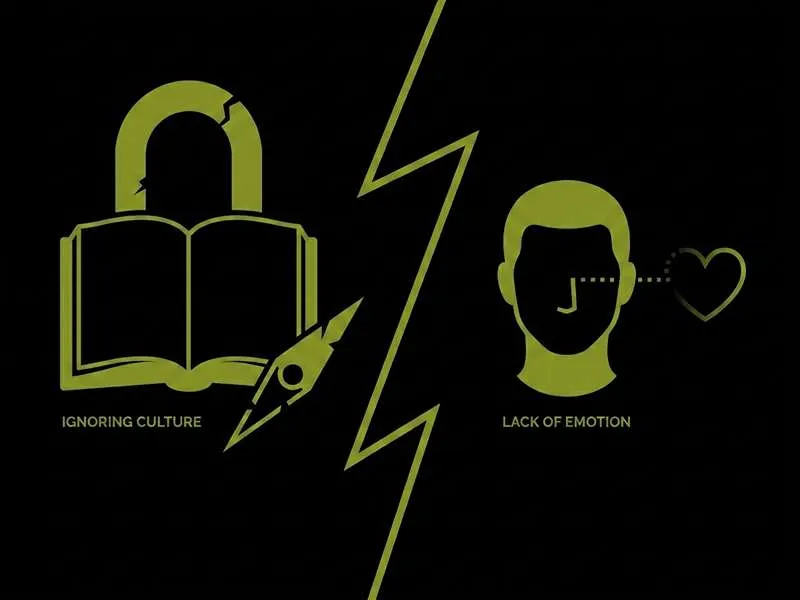
Understanding why storytelling fails is just as important as knowing the techniques that make it succeed. The most common failure is copying Western storytelling styles without any adaptation for the cultural context. Content that feels foreign, no matter how creative, cannot build the emotional connection Middle Eastern audiences require.
Ignoring cultural nuances is another consistent failure point. A campaign that misrepresents cultural values, even unintentionally, can damage brand trust in ways that are very difficult to repair. Over-focusing on selling rather than connecting is a third critical mistake, turning audiences away before any relationship is established.
A lack of emotional depth produces content that is technically competent but ultimately forgettable. Middle Eastern audiences are sophisticated and discerning.
They engage deeply with content that moves them and disengage quickly from content that treats them as a transaction. Addressing these failure patterns is the starting point for any meaningful improvement in storytelling effectiveness.
Real Example of a Storytelling Strategy in Practice
Consider a retail brand operating in the UAE that applies a full funnel storytelling approach across its marketing, using a combination of digital storytelling techniques and visual storytelling techniques across each stage.
At the Awareness stage, the brand creates content centered on family gatherings during festive seasons, drawing on the cultural significance of shared celebration that resonates across its diverse audience. At the Consideration stage, the brand shifts to real customer experiences and detailed testimonials that demonstrate how the brand has become part of meaningful moments in people’s lives.
At the Conversion stage, the storytelling becomes more specific and trust-focused, combining compelling offers with clear proof of value and transparent brand promises. At the Retention stage, community stories and user-generated content keep existing customers engaged and turn them into advocates who extend the brand narrative to their own networks. This is the complete storytelling approach that Skills Heaven designs for its clients.
How Skills Heaven Helps Brands Master Storytelling
Many brands create content, but very few create stories that convert. That is the distinction Skills Heaven is built around. The gap between content that attracts attention and content that builds genuine audience connection and drives real business results is a strategic one, and closing it requires more than creative execution.
Skills Heaven combines cultural insights specific to the Middle East and UAE markets with SEO strategy and proven storytelling techniques to help businesses create content that performs at every stage of the customer journey.
Whether the goal is deploying visual storytelling techniques for social platforms, building digital storytelling techniques into a content system, or applying storytelling techniques for business across B2B funnels, the focus is always on outcomes: not just engagement metrics, but leads, conversions, and long-term brand equity.
From building brand narrative frameworks and bilingual content strategies to developing full funnel storytelling systems, Skills Heaven works with businesses of every size to ensure their stories connect with the right audience, in the right language, on the right platform, at the right moment in the customer journey.
Conclusion
The best storytelling techniques for Middle Eastern brands are those that combine culture, emotion, and strategic intent. Effective storytelling here is not a creative exercise; it is a business tool that, when used correctly, builds the trust and emotional connection that drive real, sustainable growth.
Whether you are deploying visual storytelling techniques on Instagram and YouTube, using digital storytelling techniques to reach audiences across multiple platforms, applying storytelling techniques for business in the UAE’s B2B landscape, or drawing unexpected inspiration from the clarity of storytelling techniques for kids, the underlying principles remain consistent: know your audience, honor their values, and tell the truth about your brand in a way that moves them.
When you understand your audience deeply, align your narratives with genuine cultural values, use the right platforms with the right formats, and connect your storytelling to every stage of the marketing funnel, you stop simply marketing your brand and start building a lasting relationship with your audience. That relationship is what creates loyal customers, powerful word-of-mouth, and a brand identity that endures. Skills Heaven is here to help Middle Eastern brands build exactly that.
Frequently Asked Questions
What makes storytelling techniques effective in the Middle East?
Storytelling techniques are most effective in the Middle East when they are grounded in cultural relevance, emotional authenticity, and a genuine respect for regional values. Audiences here respond to stories that reflect their identity, their community, and their aspirations.
Should brands use Arabic or English for storytelling?
Both languages should be used strategically rather than choosing one over the other. Arabic content delivers emotional depth and cultural resonance, particularly for narratives centered on heritage, family, and community. English content provides informational clarity and reaches the region’s large expatriate and professional audiences effectively.
Which visual storytelling techniques work best in the Middle East?
Short-form video on Instagram Reels and TikTok, long-form YouTube narratives, and cinematic brand films that blend cultural elements with high production values are the most effective visual storytelling techniques in the region. The visual language — colors, settings, characters, and cultural moments — should always feel native and authentic to the audience.
How can digital storytelling techniques improve conversions?
Digital storytelling techniques increase conversions by building the trust and emotional connection that precede purchasing decisions in the Middle East. When an audience feels that a brand understands their values, shares their cultural identity, and has genuine proof of delivering on its promises, the decision to buy becomes much easier.
Are storytelling techniques for business different from consumer storytelling?
The core principles are the same — trust, emotional resonance, and cultural alignment — but storytelling techniques for business place greater emphasis on proof, expertise, and measurable outcomes. B2B audiences in the Middle East still respond to human narratives, founder stories, and legacy, but they also need specific case studies and clear demonstrations of value before committing.
Can small businesses use these storytelling techniques effectively?
Yes, and in many ways small businesses have a natural advantage in storytelling because their founder journeys, origin stories, and community connections are often more authentic and relatable than those of large corporations. Storytelling techniques are scalable and do not require a large budget to be effective.
What can brands learn from storytelling techniques for kids?
Storytelling techniques for kids prioritize simplicity, emotional clarity, vivid imagery, and a single memorable message. These same principles make brand storytelling more effective for adult audiences. If your brand story is too complex to be felt and understood quickly, borrowing the directness of storytelling techniques for kids can sharpen and strengthen it.

M. Awais Khan is a Business Development and Digital Growth Strategist at SkillsHeaven, specializing in SEO, local search optimization, and performance-driven digital marketing. With experience supporting 100+ businesses, he develops and implements data-driven strategies that help companies increase online visibility, generate qualified leads, and drive sustainable revenue growth. His expertise spans Local SEO, Google Ads, social media marketing, and conversion-focused website optimization, ensuring every project is aligned with measurable business outcomes and long-term success.